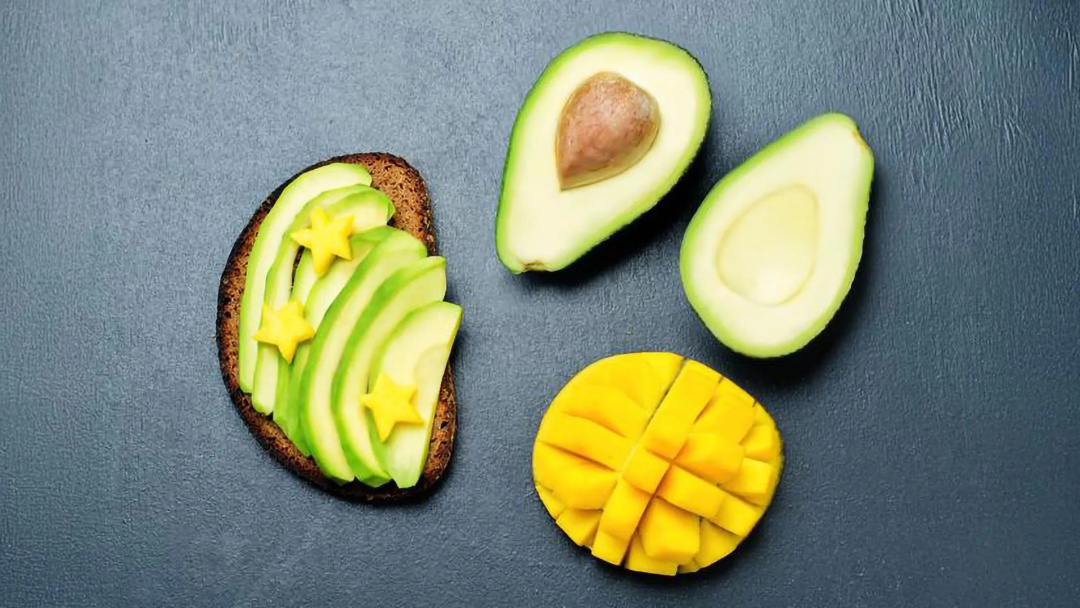
Avocado and Mango Consumption Improves Blood Vessel Function in Prediabetes Study
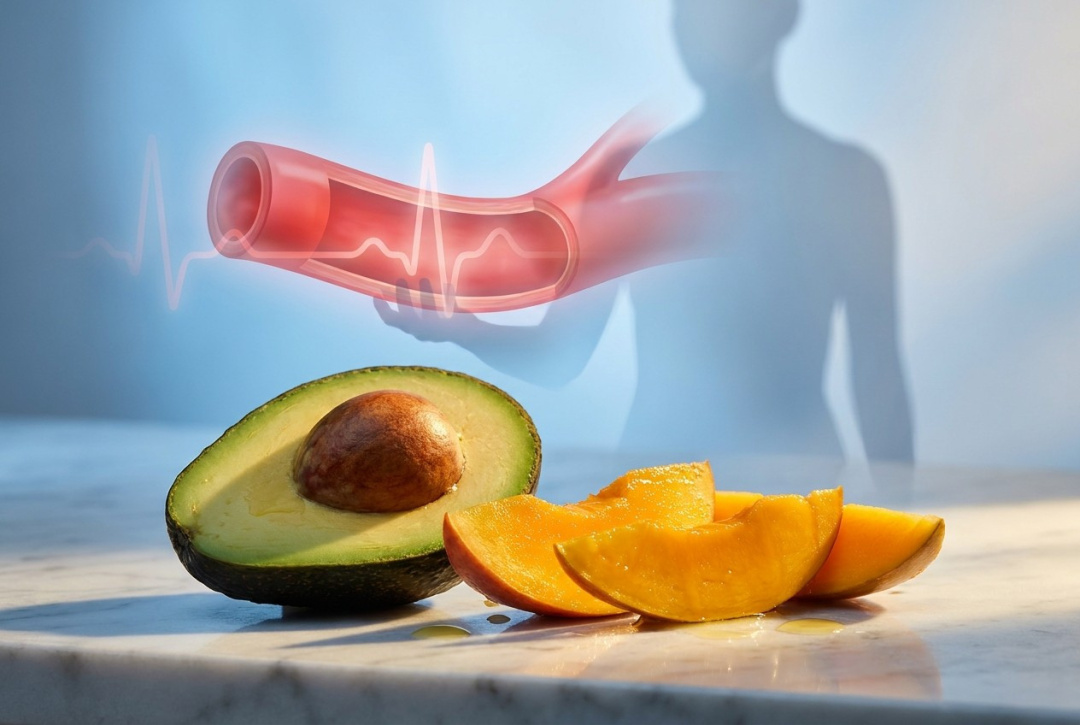
A recent study published in the Journal of the American Heart Association has revealed that adults with prediabetes who included one medium avocado and one cup of fresh mango in their daily diet for eight weeks experienced notable improvements in blood vessel function compared to those on a control diet. The study specifically measured flow-mediated dilation, which is a non-invasive method to assess how well blood vessels relax and widen in response to increased blood flow. Participants in the avocado-mango group showed a flow-mediated dilation increase to 6.7%, while the control group saw a decrease to 4.6%.
Conducted as a randomized, two-arm, partially controlled feeding trial involving 82 adults, the research team from Illinois Tech noted that participants were generally healthy, non-smokers, and either overweight or obese, averaging 45 years of age with a body mass index around 30 kg/m². The group consuming the avocado and mango received a diet designed to include these fruits daily, while the control group was given an energy-matched diet that replaced the fruits with low-fat, low-fiber foods providing a similar caloric intake.
Throughout the study, women consumed approximately 1,500 calories per day, while men had about 1,750 calories. The researchers carefully controlled the meals and caloric intake rather than relying on self-reported data. After the eight-week period, the avocado-mango group demonstrated a 1% absolute improvement in flow-mediated dilation compared to the control group. This improvement is significant as it indicates enhanced endothelial function, which is crucial for cardiovascular health.
In addition to the vascular improvements, the study also reported changes in blood pressure. Men in the avocado and mango group experienced a reduction of about 1.9 mmHg in central diastolic blood pressure, whereas those in the control group saw an increase of approximately 5 mmHg. This finding suggests that the fruit consumption may help prevent a worsening trend in blood pressure among participants.
Caution Advised on Long-Term Heart Health Implications
However, the researchers cautioned that while these results are promising, they do not necessarily indicate a reduced risk of heart attack or stroke. They emphasized that longer-term studies are needed to determine if these early vascular improvements can lead to significant clinical outcomes. The researchers also noted that improvements in cholesterol, blood sugar, or inflammatory markers were not observed in this study.
Avocados are known for their high content of monounsaturated fats, fiber, potassium, and various micronutrients, while mangoes provide vitamin C, carotenoids, fiber, and other beneficial plant compounds. The combination of these two fruits may contribute to the observed health benefits, as participants significantly increased their intake of total fruit, dietary fiber, vitamin C, and monounsaturated fats during the trial.
Balancing Fruit Intake for Metabolic Health Benefits
Despite the positive findings, the researchers warned against interpreting the results as a license for unlimited avocado and mango consumption. They reiterated that calorie intake still matters and that the fruits were incorporated into a calorie-controlled diet rather than added to existing meals. The practical implication of the study suggests that increasing fruit intake within a balanced diet could be beneficial for metabolic health, particularly for individuals with prediabetes.
In conclusion, while the study provides valuable insights into the potential benefits of avocados and mangoes for blood vessel function, further research is necessary to explore the long-term effects and clinical relevance of these findings.