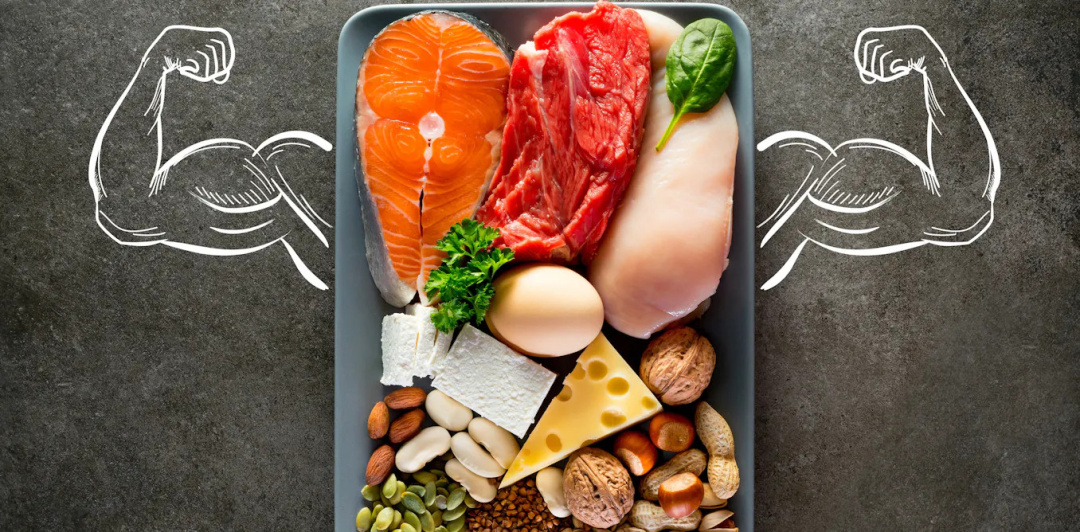
Review Suggests Reducing Protein Intake May Slow Aging and Enhance Metabolic Health

Recent research has raised questions about the widely held belief that consuming more protein is always beneficial. A major review published in the journal Cell Press Blue examined over 350 scientific studies and found that reducing protein intake may offer surprising health benefits, including slowing biological aging and improving metabolic health. This review suggests that many people, especially those who are sedentary, might be consuming more protein than their bodies actually require, which could have negative health consequences.
The findings indicate that limiting protein intake could potentially extend lifespan and enhance metabolic function. Researchers have long recognized that calorie restriction can lead to longer lifespans across various organisms, but consistently maintaining a low-calorie diet can be challenging. This review proposes that reducing protein intake, rather than overall calorie consumption, may be a more manageable approach to achieving similar benefits.
Experiments in animal models, including flies and rodents, have shown that a lower protein diet can increase lifespan even when total calorie intake remains unchanged. This suggests that the type of nutrients consumed plays a crucial role in health outcomes, not just the quantity of food. Human studies have echoed these findings, with several clinical trials demonstrating that individuals who reduce their protein intake can lose weight, decrease body fat, and improve fasting blood sugar levels, a key indicator of metabolic health.
While the review does not definitively prove that protein restriction extends human lifespan, it highlights the potential for dietary changes to influence aging and disease processes. The complexity of protein needs becomes evident when considering factors such as exercise and muscle health. Higher protein intake can support weight loss and help older adults maintain muscle mass, particularly when combined with physical activity. This is crucial as muscle loss can lead to increased frailty and a higher risk of falls in older adults.
Revised Protein Guidelines and Individual Needs
In light of these findings, U.S. dietary recommendations have recently been revised to suggest a daily protein intake of 1.2 to 1.6 grams per kilogram of body weight, nearly double the previous guideline. However, the researchers caution that protein requirements vary significantly among individuals. For instance, pregnant women and active individuals may require more protein to support their specific needs.
One interesting aspect of the review is the role of fibroblast growth factor 21 (FGF21), a hormone that increases when dietary protein is limited. FGF21 is associated with improved energy expenditure, better blood sugar regulation, and reduced inflammation—factors closely linked to aging. Studies in mice have shown that higher levels of FGF21 correlate with increased lifespan, particularly in males, suggesting that this hormone may play a significant role in the aging process.
Personalized Approaches to Protein Intake and Longevity
The review also points out that not all proteins are created equal. Certain amino acids, such as methionine, isoleucine, and valine, may stimulate growth pathways that could contribute to obesity and inflammation if consumed in excess. This indicates that the relationship between protein intake and longevity is more nuanced than simply increasing or decreasing protein consumption.
As researchers continue to explore the implications of protein intake on health, it becomes clear that dietary recommendations should be personalized based on individual circumstances, including age and physical activity levels. The findings from this review challenge the assumption that higher protein diets are universally beneficial, suggesting that for some individuals, especially those who are less active, reducing protein intake could be a healthier choice.