Incorporating Food Skills into School Curricula to Combat Childhood Obesity
One in ten children aged seven to nine years in Europe is living with obesity, with rates in England rising from around 10% in reception to about 22% by year six. While the causes of childhood obesity are complex and multifaceted, improving dietary habits is a crucial step towards better health outcomes. Studies show that healthy diets in children correlate with improved physical health and mental well-being, as high-quality diets rich in whole foods, such as fresh fruits and vegetables, are linked to better mental health in early adolescence. Conversely, poor dietary patterns and childhood obesity are associated with increased risks of cardiovascular disease in adulthood.
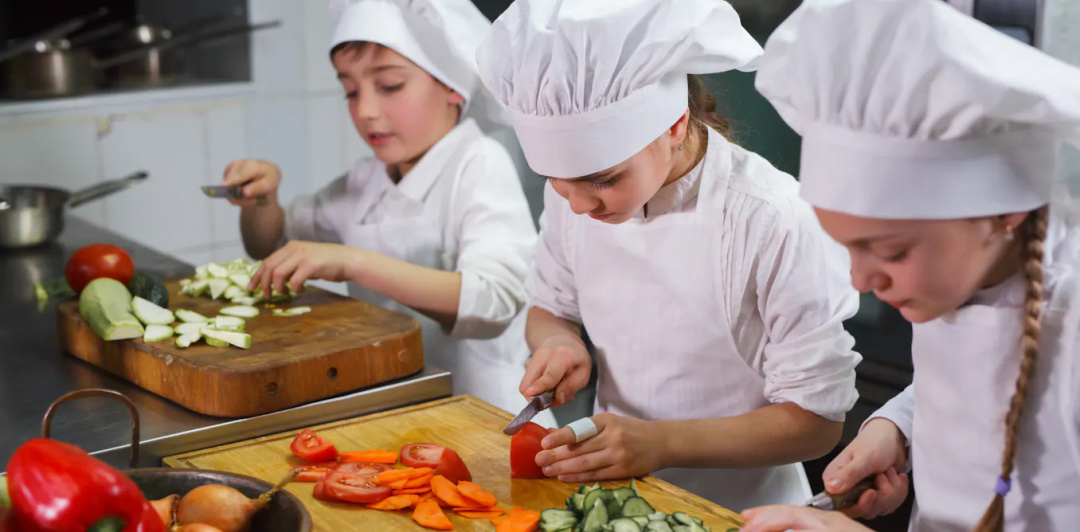
A significant yet often overlooked method to encourage healthier eating habits among children is to teach them essential cooking skills. Research indicates that children who gain experience in food preparation are more likely to consume higher amounts of fruits and vegetables. In a study involving 19,736 European children aged six to nine years, it was found that those capable of peeling fruits and vegetables were 15% less likely to be classified as obese. However, the overall analysis suggested that children who engage in food preparation at home may have a slightly higher obesity risk. This finding does not imply that cooking at home leads to obesity; rather, it highlights the complexity of the relationship between food preparation and dietary habits. Children who are already experiencing obesity may exhibit heightened interest in food preparation, while families may also prepare less healthy meals at home.
This underscores the necessity of integrating food skills into school curricula. For example, Japan's Shokuiku program emphasizes diet and food education as a fundamental part of the school curriculum, contributing to a significantly lower obesity prevalence of 4.4% among young people compared to the global average of 8.2%. Assuming that food skills can be effectively taught at home places undue pressure on parents, many of whom may lack the time, confidence, or knowledge to impart these skills.
Currently, schools treat certain life skills, such as swimming, as essential, with mandated hours and clear outcomes. In contrast, food skills lack similar structured support despite their long-term health implications. The World Cancer Research Fund recommends five hours of nutrition and food skills education weekly, which may be impractical. A more feasible approach could involve approximately 24 hours of food skills education annually in primary and lower secondary schools, such as 12 two-hour lessons throughout the school year. Regular, hands-on sessions focused on preparing simple, nutritious dishes—especially those featuring vegetables—would enhance children's confidence and foster healthier eating habits.
The national curriculum for food education in England was last updated in 2015, and since then, the evidence supporting the teaching of food skills has grown, yet policy has not adapted accordingly. Children develop cooking skills through observation, practice, and reinforcement, building competence over time. To promote healthier diets, it is essential to prioritize food skills alongside knowledge. A shift towards a skills-based curriculum would empower children to navigate their food environments effectively, yielding benefits that extend well beyond the classroom.