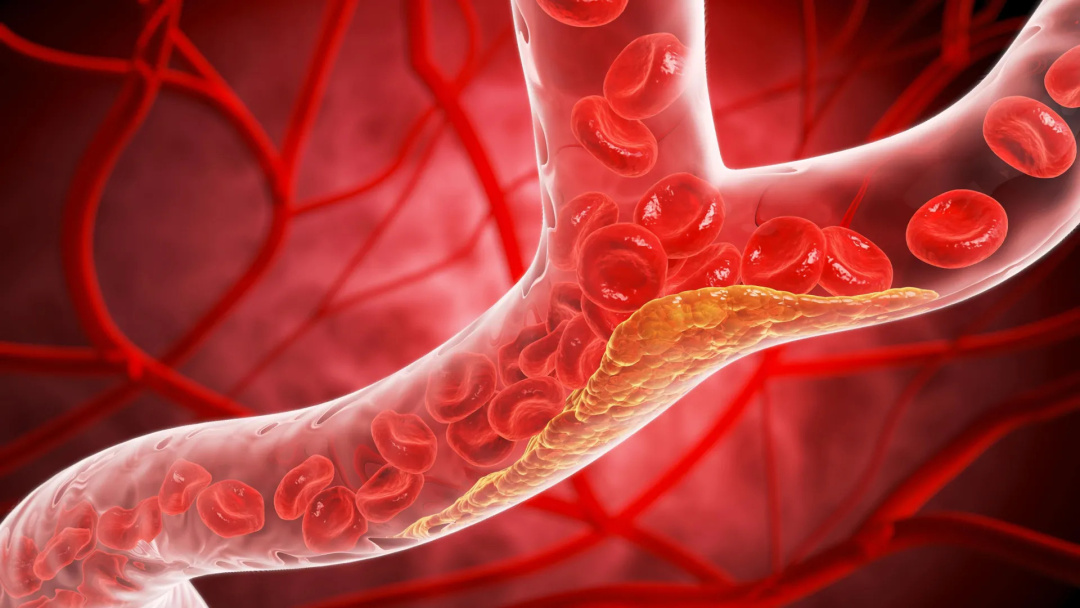
Study Finds Alarming Rates of Arterial Plaque in Young Adults
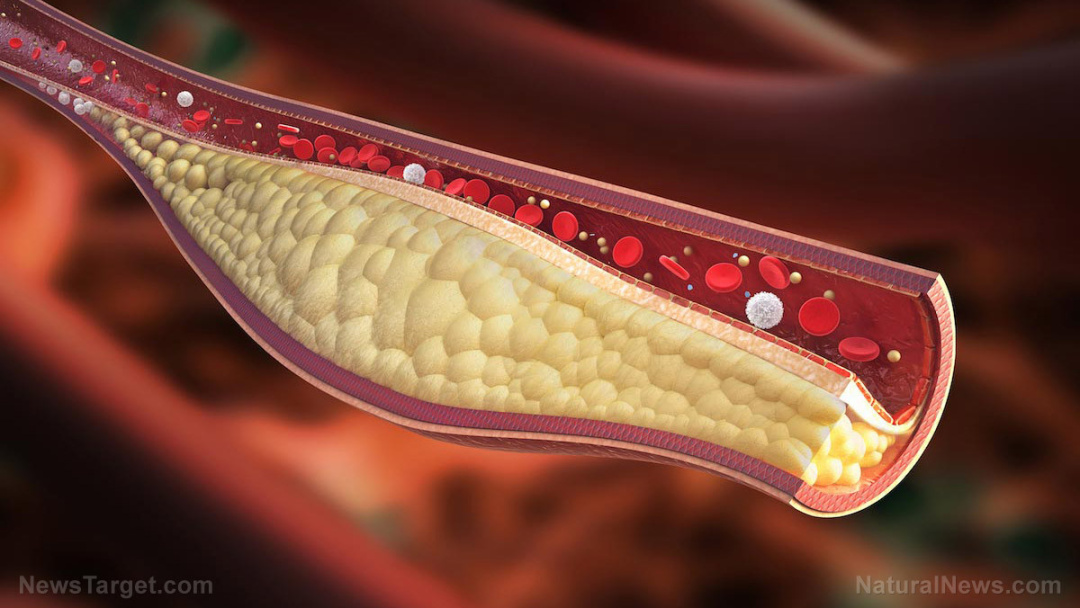
A groundbreaking study published in the New England Journal of Medicine in August 2026 has revealed that silent atherosclerosis, the artery-clogging process behind most heart attacks and strokes, is more prevalent and begins earlier than previously understood. Researchers at the Centro Nacional de Investigaciones Cardiovasculares (CNIC) in Spain and Rigshospitalet in Denmark examined 16,808 adults aged 18 to 70 who had no known heart disease. The results were startling: more than half of these seemingly healthy participants already had arterial plaque, including approximately 1 in 13 individuals under the age of 30 who reported feeling well. This study was presented at the ESC Congress 2026 and published simultaneously, indicating a potential shift in how cardiovascular disease is detected and prevented.
The REACT study, funded by the Novo Nordisk Foundation with a budget of up to EUR 23 million, utilized advanced imaging techniques such as three-dimensional vascular ultrasound and coronary CT angiography to assess three major artery territories: the carotid arteries in the neck, the femoral arteries in the legs, and the coronary arteries supplying the heart. Overall, 57.1% of participants were found to carry plaque in at least one of these areas, with the prevalence reaching nearly 90% among those aged 60 to 70.
Among the youngest participants aged 18 to 29, 8.7% of men and 6.7% of women exhibited signs of atherosclerosis. This finding contradicts the long-held belief that artery disease predominantly affects middle-aged and older adults. One of the study's critical insights was the inadequacy of conventional risk assessment tools. Current methods, including the SCORE2 risk calculator, which considers age, blood pressure, cholesterol levels, and smoking status, identified only a small fraction of individuals who already had silent plaque.
This oversight suggests that individuals may receive reassuring risk scores while plaque accumulates unnoticed in their arteries. This pattern aligns with earlier CNIC research linking atherosclerosis in middle-aged adults to lifestyle factors such as diet, physical activity, and sleep quality. The study also found that men developed plaque five to ten years earlier than women, although women experienced a significant increase in plaque during their 40s and 50s, coinciding with the menopausal transition. This indicates that women who felt secure in their 30s should be more vigilant about their artery health as they approach midlife.
The Role of Participants
In younger participants, plaque was primarily found in the neck or leg arteries rather than the heart. Given that most individuals with coronary plaque also exhibited plaque in peripheral arteries, ultrasound screenings of the neck and legs offer a quick, painless, and radiation-free method for early detection.
The authors of the study emphasized that these findings should be viewed as encouraging rather than alarming. In younger adults, the plaque was generally small and localized to a single artery. The significant increase in plaque volume and multi-arterial involvement is expected to occur in later decades, highlighting early adulthood and midlife as critical periods for intervention.
Future Directions in Atherosclerosis Prevention and Heart Health
Researchers are now planning the REACT-PROTECT trial, a large randomized clinical study set to take place from 2027 to 2032, aimed at testing whether imaging-guided prevention can effectively slow or reverse the progression of atherosclerosis and prevent heart attacks and strokes more effectively than current risk-based approaches. The study will also extend to populations in India, Singapore, Tanzania, and Mexico.
The REACT study confirms that atherosclerosis can be detected decades before symptoms manifest and that traditional risk estimates are insufficient for identifying those in need of intervention. For the 1 in 13 young adults already harboring hidden plaque, the findings underscore the importance of heart health starting well before middle age. Simple lifestyle choices concerning nutrition, physical activity, and tobacco avoidance can have significant impacts in one's 20s and 30s. As CNIC Scientific Director Dr. Borja Ibáñez stated at the Congress, the future of cardiovascular prevention must become more precise and personalized. Direct detection of the disease, rather than relying on estimated probabilities, may be crucial in reducing the global burden of cardiovascular disease, which remains the leading cause of death worldwide.