Exploring the Nutritional Benefits of Pearl Millet
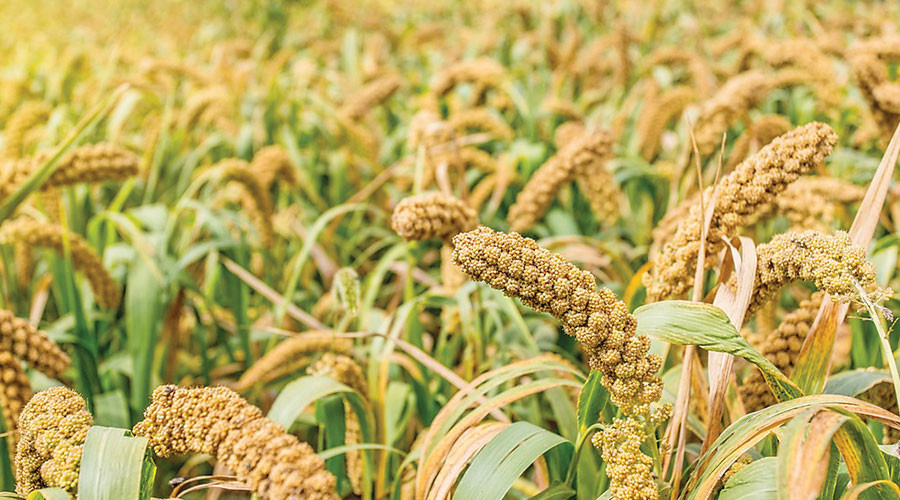
Across Pakistan, traditional foods provide valuable lessons about nutrition and sustainable living. One such food is pearl millet, locally known as bajra. Cultivated for generations in regions like Sindh, southern Punjab, and Balochistan, this hardy grain is commonly enjoyed in flatbreads, porridge, and various traditional dishes. Its ability to thrive in dry conditions makes it crucial for food security in areas with limited water resources.
Pearl millet is more than just a filling food; it offers energy, plant protein, fiber, and essential minerals. The grain's outer layers, including the bran and germ, are packed with nutrients. However, it's important to note that not every outer covering should be consumed. Proper cleaning and processing are vital, especially for individuals with kidney disease.
One of pearl millet's significant advantages is its high dietary fiber content. Fiber, which the body does not fully digest, plays a crucial role in health by aiding digestion and promoting regular bowel movements. This can help prevent constipation and support a healthy digestive system. Additionally, fiber contributes to a feeling of fullness, which may help prevent overeating and support weight management.
The grain is also rich in minerals such as iron, magnesium, phosphorus, and zinc. Iron is essential for healthy blood production, while magnesium and phosphorus support bone and muscle health. Zinc plays a vital role in the body's immune function. Furthermore, pearl millet contains natural plant compounds, some of which possess antioxidant properties. However, it's important to remember that these compounds do not imply that consuming this grain can prevent or treat diseases.
Another noteworthy aspect of pearl millet is that it is naturally gluten-free. Gluten, a protein found in wheat, barley, and rye, can cause issues for individuals with gluten intolerance. Thus, pearl millet can serve as a beneficial alternative. However, those with celiac disease should ensure their flour has not been contaminated with gluten-containing grains during processing or storage.
The structure of pearl millet includes various parts, such as the outer covering, bran, germ, and starchy endosperm. The inner part provides much of the grain's energy, while the bran and germ are rich in fiber, minerals, and oils. The bran, being fiber-rich, supports digestion and enhances the grain's nutritional profile. Whole grains, like pearl millet, are generally more nutritious than refined grains because they retain more of their natural components.
However, the hard outer covering differs from the edible bran. It protects the grain during growth but can be tough and difficult to digest. Therefore, not all outer coverings of pearl millet are healthy. Proper milling and cleaning should remove unwanted material while preserving as much of the nutritious grain as possible.
Practical Ways to Incorporate Pearl Millet into Your Diet
Incorporating pearl millet into daily meals can be done in various simple ways. Its flour can be used to make flatbreads, especially during winter. It can also be cooked as porridge, added to soups, or incorporated into traditional dishes. For better nutritional balance, it is advisable to pair it with vegetables, yogurt, lentils, eggs, or other protein-rich foods. Traditional preparation methods, such as soaking, sprouting, or fermenting the grain, can improve digestibility and enhance nutrient availability.
When purchasing pearl millet flour, it is crucial to choose clean and reliable sources. The grain should be free from dirt, mold, insects, and undesirable hard outer coverings. Proper storage in a dry, covered container is essential. If the flour has a stale smell, discoloration, or shows signs of moisture or mold, it should not be consumed.
Eating pearl millet as part of a balanced diet may offer several health benefits, including better digestion, steady energy levels, and support for blood sugar management. However, these benefits do not imply that pearl millet is a cure-all. It is a healthy food that can contribute to well-being when consumed in moderation alongside a variety of other foods.
A critical caution for those considering pearl millet is its relationship with kidney health. Some individuals mistakenly believe that pearl millet husk can repair kidneys or cure kidney disease. This is not accurate; there is no reliable evidence supporting such claims. People with kidney disease should be particularly cautious before using concentrated husk, unprocessed grains, or herbal products as remedies.
Embracing Pearl Millet for Holistic Health
For most healthy individuals, pearl millet and other whole grains can be part of a balanced diet. They provide fiber and nutrients that contribute to digestive health and may help maintain healthy blood pressure, cholesterol, and blood sugar levels. However, individuals with kidney disease may need to adjust their intake of pearl millet and other whole grains based on their specific health needs.
Ultimately, good health is not reliant on a single food but rather on a combination of daily habits. Along with consuming pearl millet wisely, individuals can enhance their well-being by eating a variety of foods, choosing whole foods, staying hydrated, being active, limiting salt and sugar intake, ensuring adequate sleep, avoiding self-medication, and getting regular health check-ups. Pearl millet is a valuable traditional grain that offers energy, fiber, plant protein, and important minerals, contributing to overall health when prepared and consumed appropriately.