Chlorella: A Convenient Source of Plant-Based Protein and Nutrients
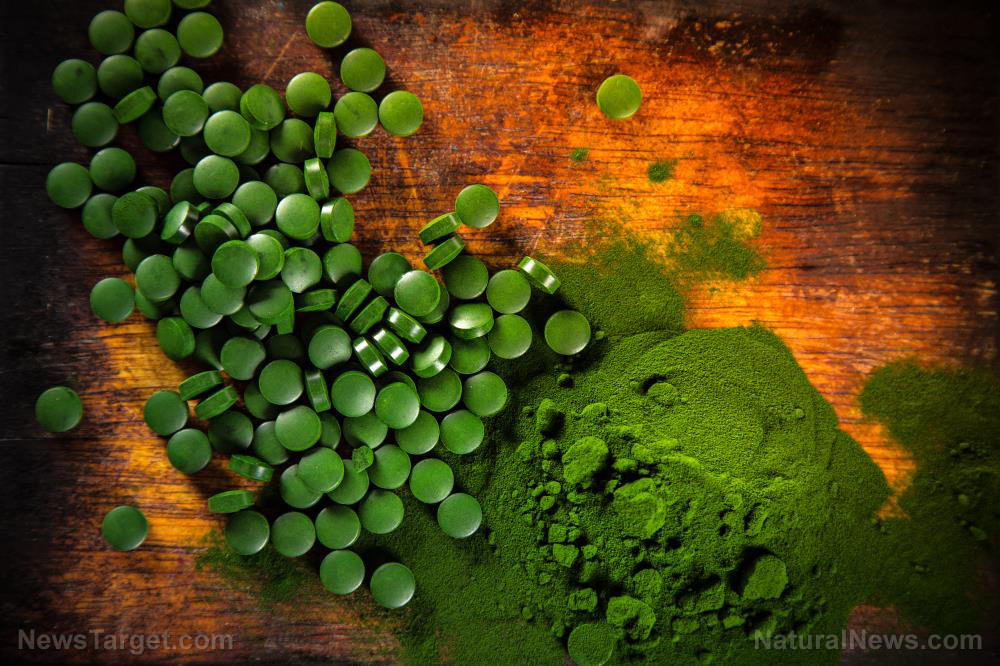
Chlorella is a nutrient-rich freshwater green algae that provides a convenient way to incorporate plant-based protein, vitamins, and minerals into a balanced diet. Known for its vibrant green color and high chlorophyll content, this microscopic superfood has gained popularity among health-conscious individuals, particularly vegetarians and vegans seeking to enhance their nutrient intake. Chlorella is a single-celled organism characterized by its green hue, which comes from chlorophyll. It is available as a dietary supplement in various forms, including powders, capsules, and tablets. These convenient options make it easier to include chlorella in daily wellness routines without the need for preparation. One of chlorella's most notable nutritional features is its protein content, which comprises approximately 60% of its composition, including all nine essential amino acids that the body cannot produce. This makes it a valuable plant-based protein source for those following vegetarian or vegan diets. In addition to protein, chlorella contains omega-3 and omega-6 fatty acids, carbohydrates, fiber, and a variety of vitamins and minerals, including calcium, iron, magnesium, and zinc. Its nutritional profile also includes vitamin A, several B vitamins, and antioxidant compounds. Dried chlorella provides about 58 grams of protein per 100 grams, along with nine grams of fat and 23 grams of carbohydrates, making it a concentrated addition to a varied diet. The iron content of chlorella is particularly noteworthy for individuals seeking more plant-based sources of this essential mineral. Magnesium, another key nutrient found in chlorella, plays a vital role in numerous bodily functions. Together with protein, essential amino acids, and other nutrients, chlorella can help diversify the nutritional content of everyday meals. However, the quality of chlorella is influenced by its growing environment, which can affect its purity and nutrient content. Producers typically cultivate chlorella in outdoor ponds or controlled indoor systems. Outdoor cultivation exposes the algae to natural sunlight and environmental conditions, but it also risks contamination from airborne pollutants, bacteria, insects, and animal waste. In contrast, indoor cultivation allows for better control over temperature, lighting, and water quality, reducing exposure to contaminants and supporting consistent nutrient production. Another important aspect of chlorella supplementation is the processing of its tough outer cell wall. Breaking down this cell wall can enhance nutrient accessibility for the body. Consumers interested in maximizing their supplement's benefits should look for products that specify this processing method. Chlorella tablets offer a practical way to enjoy the algae's nutritional benefits. Unlike powders that require measuring and mixing, tablets are ready to take according to the product's serving directions. They are also easy to carry and store, making daily supplementation more manageable for individuals with busy lifestyles. When selecting a chlorella product, it's advisable to check its cultivation method, sourcing information, and any third-party testing results. Certificates of analysis and testing for microbial contamination and heavy metals can provide additional insight into product quality. Ultimately, chlorella should be viewed as a complement to a balanced diet rather than a substitute for nutritious foods. Its combination of complete protein, minerals, fiber, and chlorophyll makes it an intriguing plant-based supplement. With convenient tablet options and a focus on cultivation and processing, chlorella can be an easy addition to a broader approach to everyday nutrition.