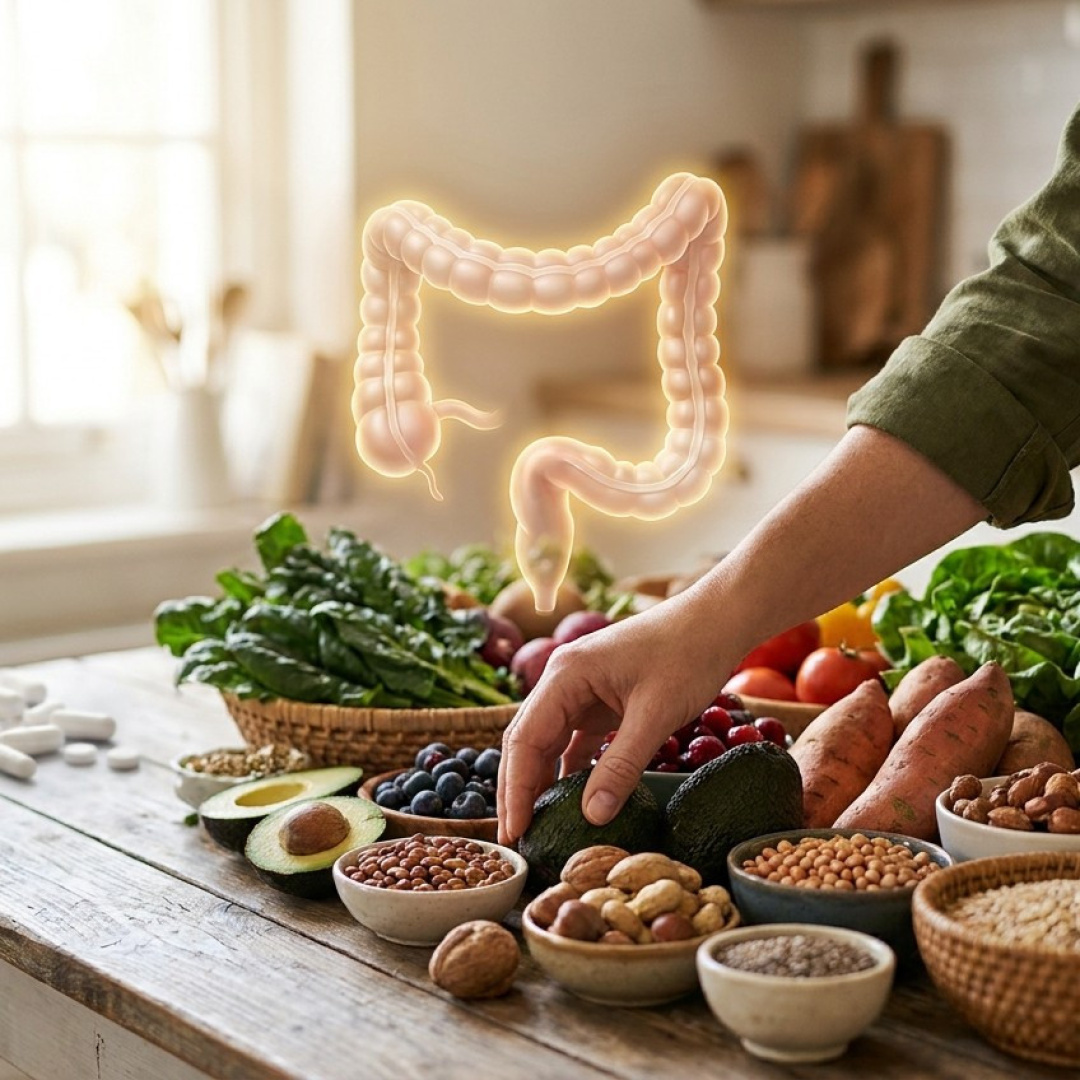
Plant Proteins and Fiber: Key Players in Gut Health
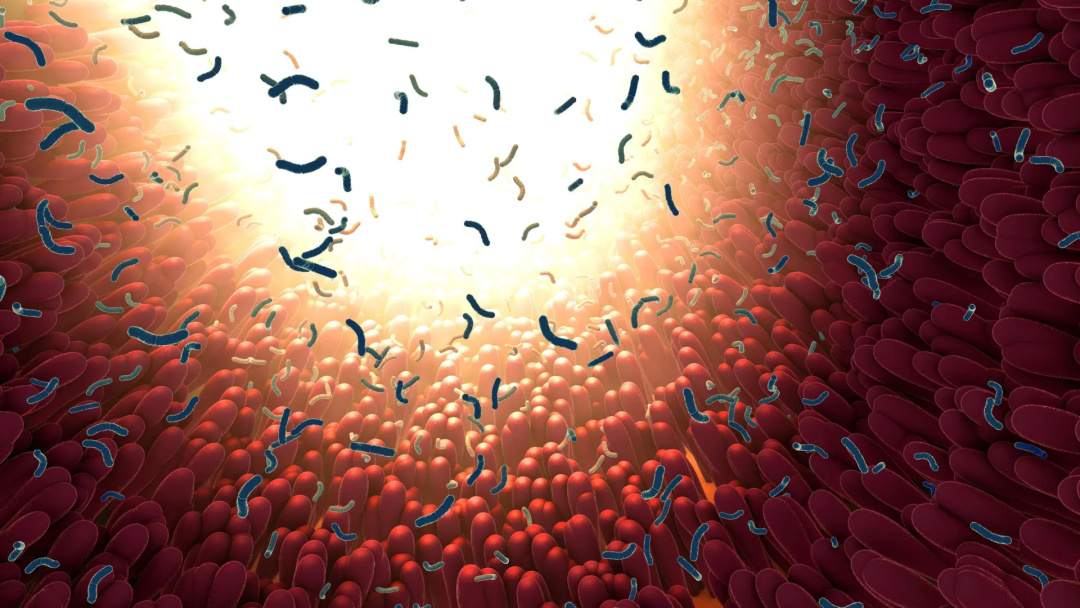
Eating a plant-based diet is widely associated with better health outcomes, but recent research indicates that the benefits may go beyond just fiber. New studies suggest that certain plant proteins, which resist digestion, play a significant role in shaping gut bacteria and determining whether they produce beneficial or harmful substances.
Plant-based diets are known to support digestive health, immune function, metabolism, and cardiovascular health. One reason for this is their ability to maintain a diverse community of microorganisms in the intestines, collectively known as the gut microbiome. Many of these bacteria are beneficial, aiding in the breakdown of food components that the human digestive system cannot process alone.
Fiber is particularly important as it serves as food for gut microbes. Additionally, plants contain phytochemicals—natural substances that often give fruits and vegetables their vibrant colors and help protect them from environmental threats. These compounds can also contribute positively to human health. However, researchers have only begun to unravel the complex chemical interactions that occur when gut bacteria digest plant foods.
Two studies led by Jenna AbuSalim and Joshua Rabinowitz from the Ludwig Institute for Cancer Research provide new insights into this area. One study, published in the Proceedings of the National Academy of Sciences, demonstrates how plant fiber and specific proteins influence gut bacteria to favor the production of beneficial compounds over potentially harmful ones. The second study, published in Nature Metabolism, challenges the long-held belief that many important chemical compounds in the body originate solely from intestinal microbes.
According to Rabinowitz, "There's growing interest across medical disciplines in manipulating the human microbiome or using its metabolic products for therapy. Diet holds great promise for controlling the microbiome and its outputs. To devise effective therapeutic interventions, we need to understand what aspects of the diet control which microbial outputs."
The first study examined a group of substances known as phenol metabolites, which are chemicals formed when the body or microorganisms break down nutrients. Some of these metabolites are essential for normal biological functions, while others can contribute to health problems when they accumulate. The researchers focused on metabolites produced from two amino acids, tyrosine and phenylalanine. Two metabolites derived from phenylalanine are associated with healthy body weight and better gut health, while those derived from tyrosine have been linked to adverse outcomes in cancer patients and negative effects on individuals with kidney disease.
The researchers aimed to determine whether different components of plant foods could influence which substances gut microbes produce. Their findings revealed that both fiber and indigestible proteins from plants—termed 'proteins imitating fiber' or Prif—shift the balance of phenol metabolites from harmful types to beneficial ones.
Exploring the Interplay Between Indigestible Proteins and Gut Microbiome
Although the health benefits of dietary fiber are well-documented, the role of these indigestible proteins has been less studied. The researchers found that Prif can reach the gut microbiome, serving as material for bacterial metabolism and influencing which microbes thrive and what chemical compounds are produced. Importantly, these proteins do not act alone; they work in conjunction with plant fiber to modify how gut bacteria process nutrients, promoting the production of beneficial phenol metabolites.
One of the most intriguing findings is that when gut bacteria run low on fiber, they may begin to feed on the protective mucus lining the intestines. This mucus layer is essential for separating intestinal microbes from the gut lining and is part of the body's natural defenses. The researchers tracked proteins using stable isotopes to see how they were processed in the digestive systems of mice. They discovered that harmful phenols were produced when gut bacteria broke down host proteins, including those in the mucus layer. In contrast, beneficial phenols were primarily generated from indigestible proteins supplied by food.
Fiber plays a crucial role in suppressing the breakdown of the gut's protective mucus, which reduces the production of harmful phenols. Meanwhile, Prif provides an alternative nutrient source for gut bacteria, encouraging them to produce beneficial compounds instead. Together, these findings suggest that the nutritional value of plant foods may depend not only on their fiber content but also on the type and amount of protein that escapes digestion.
The second study in Nature Metabolism explored whether gut bacteria are truly responsible for producing all metabolites traditionally attributed to them. The research team found that mammalian cells can generate many phenol and indole metabolites independently of intestinal bacteria. This challenges the assumption that gut bacteria are the sole source of these compounds, suggesting that dietary interventions may need to consider both microbial activity and the body's own metabolic processes.
Future Directions in Gut Health Research and Dietary Recommendations
The implications of these studies extend to nutrition labels and dietary recommendations. Rabinowitz suggests that food packaging may eventually include Prif alongside fiber, indicating their importance in gut health. As researchers continue to explore the relationship between different food components and microbial metabolism, more precise dietary advice may emerge, potentially leading to new therapeutic strategies for metabolic diseases and digestive health issues.
Both studies underscore the need for further research to determine how these mechanisms influence long-term health outcomes in humans. Nevertheless, a clearer understanding of how various foods interact with the microbiome to modulate the production of bacterial metabolites could enhance the guidance nutritionists and healthcare providers offer for disease prevention and therapy.