CDC Warns of Cyclosporiasis Outbreak: Health Risks and Food Safety Precautions
On July 13, 2026, the Centers for Disease Control and Prevention (CDC) announced a concerning outbreak of cyclosporiasis, a parasitic infection that can lead to severe gastrointestinal distress, including "explosive diarrhea." The outbreak has affected at least 31 states, with 843 confirmed cases reported. However, the CDC estimates that the actual number of infections may exceed 4,000, as many individuals recover without seeking medical attention.
Cyclosporiasis is caused by the parasite Cyclospora, typically contracted through contaminated food or water, especially during international travel. Interestingly, this recent surge appears to be primarily local, with many cases arising from individuals who have not traveled abroad. The CDC emphasizes the importance of recognizing symptoms, which may include watery diarrhea, loss of appetite, and weight loss, and advises those experiencing these symptoms to consult a healthcare provider.
While cyclosporiasis is generally not life-threatening, it can cause prolonged discomfort, with episodes of severe diarrhea lasting several weeks. Some patients may also experience relapsing symptoms, where the illness temporarily subsides before returning. As of now, at least 86 individuals have been hospitalized due to the outbreak.
The CDC has highlighted that the illness can be transmitted through common household foods, raising concerns about food safety. The agency has noted that the true number of infections is likely underreported, as many people recover without medical care. This outbreak is notable, as the CDC has already received nearly double the number of reported cases compared to all of 2025.
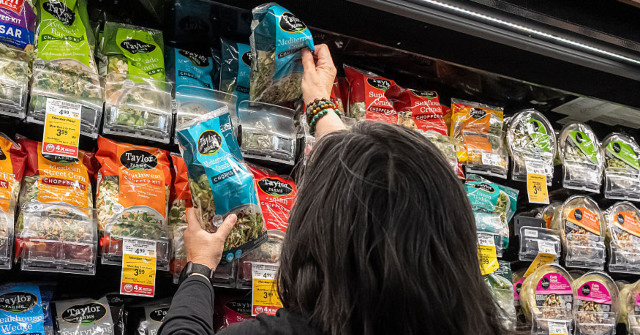
Contaminated fruits and vegetables, particularly bagged salad kits and spices, are common sources of transmission. To mitigate risks, health officials recommend scrubbing firm fruits like melons and cucumbers with a clean produce brush and removing any damaged areas before consumption. Additionally, proper handwashing before and after handling raw produce is crucial.
In response to the outbreak, many restaurants and fast-food chains are modifying their operations to ensure customer safety. Some establishments have removed potentially risky ingredients from their menus, while others, like Chipotle, have publicly stated they are monitoring the situation closely. Chipotle reassured customers that they do not believe their sourced ingredients are linked to the outbreak, emphasizing their commitment to health and safety.
Experts advise diners to exercise caution, particularly when it comes to salad bars and fresh produce, where the origin and handling of items may be unclear. Food safety lawyer Bill Marler has urged consumers to be vigilant, stating, "It is not pleasant, and it can last for months." As the investigation continues, the CDC and health officials stress the importance of food safety practices to prevent further spread of this distressing outbreak.