Obesity Prevention in Kuwait: Addressing Lifestyle and Food Access Challenges
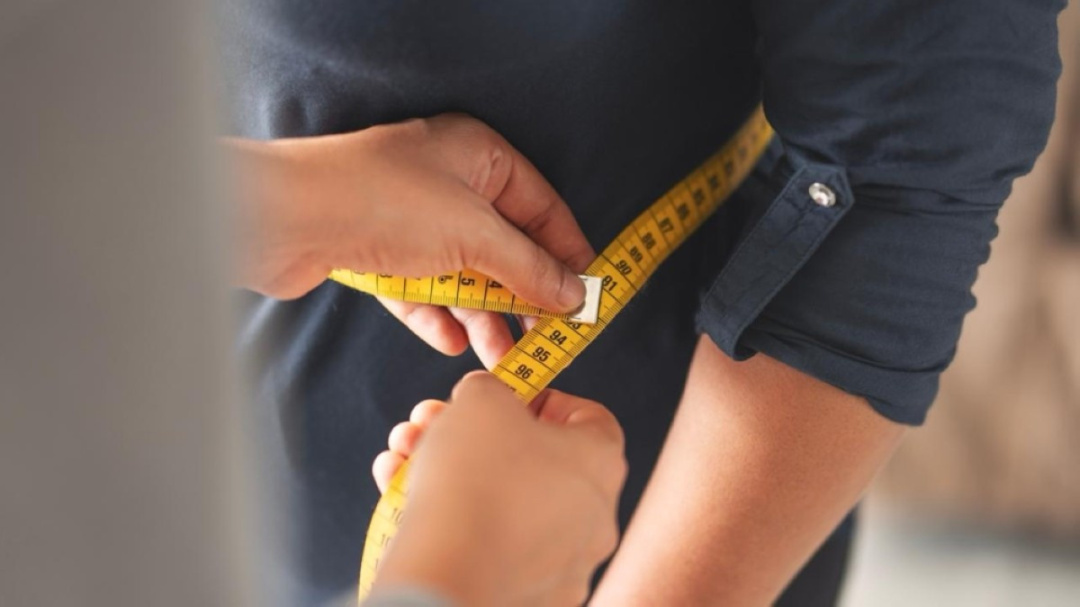
Kuwait is grappling with a serious obesity crisis, where lifestyle factors such as driving, food delivery, and extreme heat create barriers to maintaining a healthy weight. Dr. Mohammad N. Alajmi, a consultant in obesity and weight-related disorders, describes Kuwait as an "obesogenic environment," where daily habits and infrastructure encourage weight gain. Despite advancements in treatment since 2017, including more clinics and better medications, the focus must now shift to prevention.
Dr. Alajmi highlights the importance of creating spaces for children to play and ensuring that healthy food options are as accessible as fast food. The Ministry of Health’s Nutrition and Catering Department reports that approximately 75% of Kuwait’s population is overweight or living with obesity, leading to a significant burden on the healthcare system. A 2024 study published in PLoS ONE indicated that obesity was responsible for about two million morbidity cases and nearly 1,000 deaths in Kuwait, with an economic toll estimated at KD 4.3 billion.
The convenience of food delivery services has drastically changed how people access meals, making unhealthy food options more readily available. Dr. Alajmi notes that unhealthy snacks are often cheaper and easier to obtain than healthier alternatives, which require preparation. This ease of access to unhealthy food, combined with a barrage of advertisements, creates a challenging environment for maintaining healthy eating habits.
Additionally, Kuwait’s climate and infrastructure further complicate efforts to stay active. With extreme heat for much of the year, outdoor activities are limited, and many residents rely on cars for transportation. The lack of safe walking paths and public spaces for exercise exacerbates the issue. Dr. Alajmi recalls a time when homes had outdoor areas conducive to play, a stark contrast to the current housing developments that often lack such spaces.
The high rates of obesity in adults and children alike necessitate action at multiple levels. Dr. Alajmi suggests that schools could play a pivotal role in promoting healthy eating by providing nutritious meals and educating students about food preparation. He reminisces about the government-provided meals in schools during the 1970s and 1980s, which are no longer available. He advocates for schools to restrict high-calorie options and encourage healthier choices.
The Role of Eating
At home, parents also influence their children’s eating habits. Dr. Alajmi believes that if parents adopt healthier eating practices, their families will follow suit. However, busy schedules can hinder family meals, making it difficult to monitor food choices and portions. Re-establishing the tradition of shared family meals could help control what children eat and promote healthier habits.
To combat these challenges, Kuwait can look to other countries for inspiration on improving walking infrastructure and making outdoor activities more accessible. Dr. Alajmi praises the facilities at Shaheed Park but stresses that more shaded areas are needed across the country to encourage physical activity, especially during the summer.
A Holistic Approach to Obesity Management in Kuwait
While treatment options for obesity have improved, with specialists and clinics available, Dr. Alajmi warns against viewing medication as a quick fix. He emphasizes that lasting weight loss requires lifestyle changes in conjunction with any medical treatment. He cautions that without changing eating habits and daily routines, individuals may regain weight after stopping medication. Ultimately, he believes that everyone can achieve weight loss through natural means, depending on their individual circumstances.
The path to addressing obesity in Kuwait involves a comprehensive approach that includes improving food access, encouraging physical activity, and fostering healthy habits from a young age. By tackling these underlying issues, Kuwait can work towards a healthier future for its population.