Study Reveals Bacteria Can Stabilize Toxic Uranium in Contaminated Mine Water
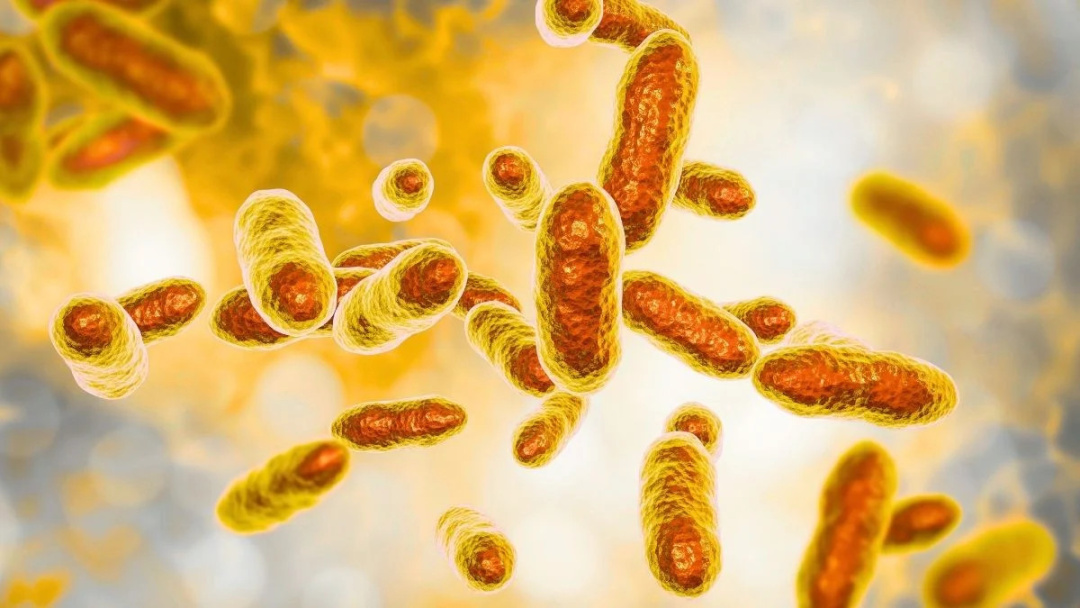
The Wismut GmbH Schlema-Alberoda mine, one of the largest uranium mines in the world, has left a significant toxic legacy since its closure in 1990. The mine, located in what was once Soviet East Germany, has been subject to extensive remediation efforts due to the contaminated water that has flooded its depths. Recent research led by microbiologists from the Helmholtz-Zentrum Dresden-Rossendorf (HZDR) in Germany and the University of Granada in Spain has uncovered that certain bacteria present in this contaminated water can convert toxic uranium into a stable chemical compound. This study, published in the journal Nature Communications, highlights the potential of these microbes in addressing uranium contamination. Microbiologist Evelyn Krawczyk-Bärsch from HZDR noted that the bacteria can utilize uranium dissolved in water for their metabolism when glycerol is available as a food source. The team aimed to replicate natural conditions for the bacterial community found in the mine water, which is typically low in oxygen at depths of around 2,000 meters. Their experiments revealed that when incubated with glycerol, the bacteria converted uranium into a pentavalent state, characterized by an unusual oxidation state of +5. This transformation alters how uranium bonds with other elements, facilitating its stabilization within minerals. After 130 days of incubation, only about five percent of the uranium remained in the water samples, indicating that the bacteria not only incorporated uranium into their cell walls but also facilitated its conversion into a stable compound known as FeU(V)O4. This finding is significant as radioactive uranium contamination poses a global challenge, with various countries experiencing elevated levels in surface and groundwater. The researchers suggest that bioremediation, which has been explored as a cost-effective alternative to traditional water treatment methods, could leverage these bacteria to reduce uranium levels in contaminated environments. While the processes identified in this study are derived from a specific geochemical scenario, they may have broader applications in other contaminated waters. However, further investigation is needed to determine the extent to which these bacteria can effectively render uranium harmless for remediation purposes. The research underscores the potential of utilizing natural microbial processes in addressing environmental contamination issues.