Evolving Consumer Expectations for Protein in Everyday Nutrition
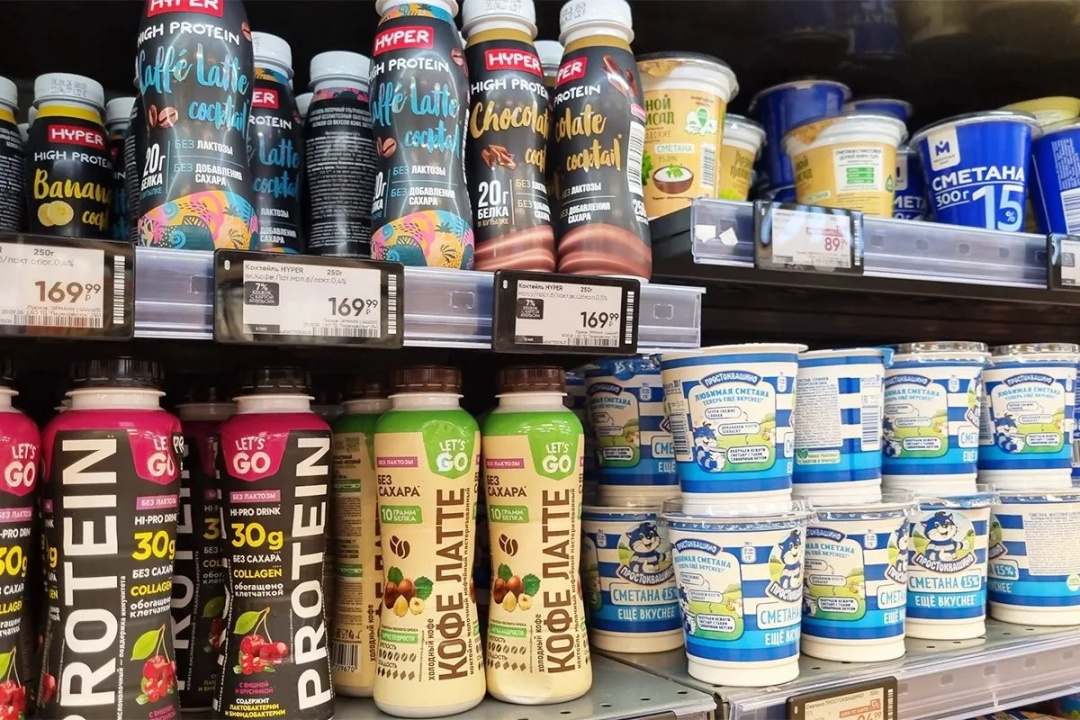
Protein has transitioned from a niche focus on sports nutrition to a central element in everyday diets. As consumer demand grows for health, healthy aging, weight management, and convenience, food and beverage manufacturers are responding with innovative ingredient blending and improved sensory experiences. Once primarily associated with muscle building, protein is now featured in a wide array of products, including dairy, snacks, beverages, and convenient meal solutions.
However, as the market for protein-rich products expands, simply adding more protein is no longer sufficient to satisfy consumers. Today's shoppers are more discerning, seeking products that not only provide nutritional benefits but also meet expectations for taste, texture, convenience, affordability, and sustainability. This shift presents opportunities for manufacturers to rethink how they source, formulate, and communicate about protein.
Industry experts highlight that the protein boom is ongoing, but consumer expectations are rapidly evolving. Susanna Lönnblad, business development manager at Valio, notes that consumers now desire more nutritional value in each product, looking for multiple health benefits that align with their lifestyles. Dr. Dorotea Pein, director of Technology and Innovation at Planteneers, emphasizes a holistic approach to nutrition, where satiety, nutrient density, gut health, mental fitness, and enjoyment are interconnected.
The trend toward healthy aging and muscle maintenance is reshaping how protein is marketed, with products designed for various life stages rather than just athletes. High-protein beverages are gaining traction as consumers seek convenient, nutrient-rich options. Additionally, the rise of GLP-1 weight-management medications is influencing product development, leading to a demand for nutrient-dense foods that provide significant nutritional value in smaller servings.
Shifting Consumer Preferences Toward Personalized Protein Solutions
Consumers are also looking for personalized nutrition that meets their specific needs. The focus is shifting toward the amino acid profiles of plant-based proteins and the benefits they offer. Hybrid products, which combine traditional meat with plant-based proteins, are becoming more popular, appealing to consumers' desire for taste and texture while also addressing environmental concerns and nutritional needs.
Navigating the Future of Protein Innovation and Transparency
As protein claims become more common, brands must differentiate their products by providing transparency about protein sources, content, and health benefits. Lönnblad suggests that clear communication about the nutritional purpose of protein is essential. The future of protein innovation lies in optimizing nutrition to fit individual needs, moving beyond a one-size-fits-all approach. This includes reimagining indulgent foods like ice creams and desserts to deliver both enjoyment and nutritional benefits.
In summary, the protein market is evolving into a sophisticated landscape where ingredient technology, targeted nutrition, and sustainability are driving innovation. Manufacturers that can effectively blend health, functionality, and enjoyment will be best positioned for success in the competitive food and beverage industry.