Emerging Biomarkers in Inflammatory Bowel Disease: Advancing Precision Medicine
Inflammatory Bowel Diseases (IBD), which include Crohn’s Disease and Ulcerative Colitis, pose significant diagnostic and management challenges due to their chronic nature and the variability in patient responses to treatment. Traditional diagnostic methods, such as invasive endoscopy and reliance on conventional biomarkers like C-reactive protein (CRP), often fall short in accuracy and specificity, highlighting the need for innovative approaches to enhance patient care.
A recent scoping review conducted by researchers at the Center for Studies and Development of Health Education in Brazil synthesized recent findings on emerging biomarkers that could revolutionize the diagnosis and management of IBD. The review focused on advancements in various omics platforms—genomics, transcriptomics, proteomics, metabolomics, and microbiomics—as well as the integration of artificial intelligence and biosensors in clinical practice.
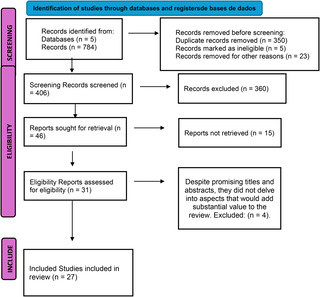
The review, which adhered to PRISMA-ScR guidelines and was registered with the Open Science Framework, analyzed data from five major databases, leading to the inclusion of 27 relevant studies published between 2021 and 2025. These studies collectively demonstrate the vast potential of non-invasive biomarkers for early diagnosis, monitoring disease activity, and predicting therapeutic responses. Key findings included the identification of metabolomic profiles, gut microbiota characteristics, and genetic markers that could enhance the understanding of disease mechanisms and improve treatment personalization.
The authors noted that the shift towards precision medicine in IBD management is crucial, as it aims to tailor therapies to individual patient profiles, thereby improving treatment outcomes and quality of life. By integrating advanced technologies and novel biomarkers, healthcare providers can move away from a one-size-fits-all approach, ultimately leading to better management strategies for IBD patients.
The review underscores the importance of ongoing research in this field, as the implementation of these emerging biomarkers could significantly change the landscape of IBD diagnosis and therapeutic management, paving the way for more effective and individualized patient care. The findings also highlight the need for further studies to validate these biomarkers and establish their clinical utility in routine practice.