Dr. Sanjeev Goel's Vision for Integrating Health Data and Longevity
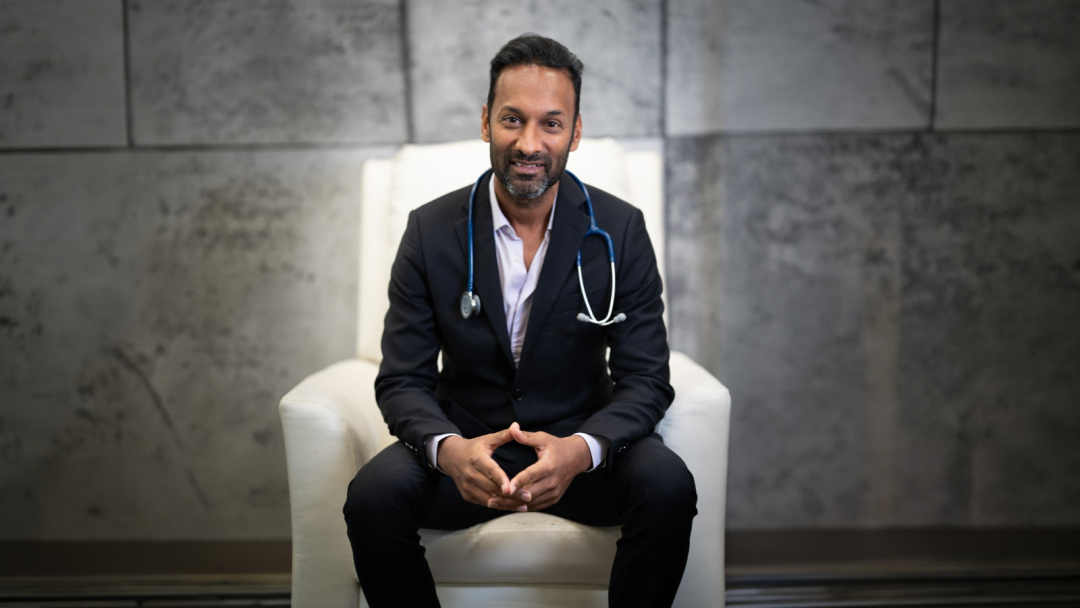
Dr. Sanjeev Goel, M.D., a board-certified family physician and founder of Peak Human, is at the forefront of a movement that seeks to integrate personal health data with clinical knowledge to improve decision-making regarding aging. This approach reflects a significant shift in healthcare, moving from a focus solely on treating established diseases to empowering individuals with information that supports preventive health decisions. The growing aging population, projected by the World Health Organization to reach 2.1 billion people aged 60 and older by 2050, underscores the need for effective health maintenance strategies.
Dr. Goel's work is particularly relevant as it addresses the challenges individuals face in understanding their health data. Many people collect various health metrics—such as laboratory results, sleep patterns, and physical activity data—without a clear understanding of how these measurements relate to one another. This gap in comprehension can hinder effective communication with healthcare providers. By combining clinical experience with health technology, Dr. Goel aims to bridge this gap and enhance the interpretation of health data.
With over 20 years of clinical experience, Dr. Goel has witnessed firsthand the limitations of traditional healthcare approaches, which often focus on treating conditions like high blood pressure and diabetes after they manifest. His personal experiences with weight and energy changes in his early 40s prompted him to delve into longevity medicine, emphasizing the importance of monitoring health changes over time rather than solely focusing on existing diseases. He has reported that his biological age appears to be approximately 10 years younger than his chronological age, illustrating the potential benefits of tracking health indicators.
However, the interpretation of biological age and other health metrics can vary significantly based on the methods and tests used. Dr. Goel emphasizes that these estimates should not be seen as definitive proof of slower aging or reduced disease risk. Instead, they should serve as tools for individuals to better understand their health and engage in informed discussions with their healthcare providers.
Study Takes Center Stage
A 2026 study published in JAMA Network Open highlighted the increasing use of wearable devices among U.S. adults, rising from 30.2% in 2020 to 41.1% in 2024. Yet, only 19.2% of users reported sharing health information from these devices with healthcare professionals. This discrepancy points to a significant gap between the growing adoption of personal health technology and its integration into clinical practice.
Artificial intelligence is emerging as a promising tool to help organize and interpret health information. When developed with input from medical professionals, AI can assist in making health data more accessible and meaningful. Dr. Goel's platform, PeakHuman.AI, exemplifies this trend by allowing users to upload laboratory reports and connect data from wearable devices, providing a comprehensive view of their health through the Peak Human Score and Peak Human Life Score.
Harnessing Technology for Empowered Health Management
The intersection of medical expertise and digital technology presents an exciting opportunity for modern healthcare. As these tools become more widely available, they can empower individuals to take a more active role in their health management. By combining scientific evidence with accessible health information, people can make informed decisions about their well-being as they age.
In conclusion, Dr. Goel's work highlights the importance of understanding personal health data in the context of longevity and preventive health. The integration of technology and clinical knowledge can help individuals recognize patterns in their health, ask relevant questions, and ultimately lead healthier, more active lives as they age.