The Nutritional Wisdom of Indian Kitchens: Balancing Plant and Animal Foods
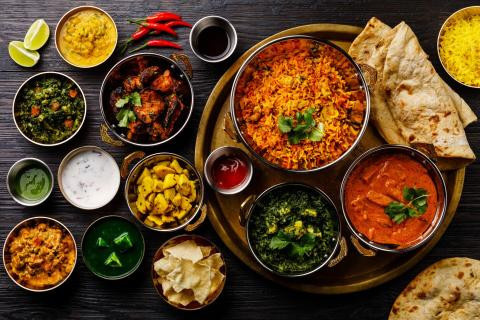
The most overlooked variable in nutrition is food preparation. Traditional Indian practices such as soaking rajma overnight, sprouting moong, fermenting idli and dosa batter, and slow-cooking dal deactivate harmful lectins, reduce phytates, and make legumes significantly easier to digest. These methods were established long before the scientific community recognized the importance of such practices.
In India, discussions about food often extend beyond mere nutrition, intertwining with cultural beliefs, family traditions, and regional preferences. The debate between strict vegans, who argue for a diet devoid of animal products, and carnivore advocates, who claim that plants are inherently toxic, showcases a divide in dietary philosophies. However, both perspectives contain elements of truth.
The critical question is not which dietary approach is superior, but rather how the human immune system responds to the foods consumed and what this means for dietary choices, combinations, and preparation methods. Humans share fundamental biological similarities with animals, which should theoretically make animal proteins easy for our bodies to process. Yet, this closeness can lead to complications, such as molecular mimicry, where the immune system mistakenly attacks proteins that resemble human proteins.
A notable example is Neu5Gc, a sugar molecule found in most mammals but absent in humans. When humans consume red meat, Neu5Gc can be absorbed into our tissues, prompting an immune response that may contribute to inflammation. While studies in mice have shown a clear connection between Neu5Gc and increased inflammation, large-scale human studies, such as the Nurses' Health Study, have not consistently linked these antibodies to heart disease or colorectal cancer risk, indicating a gap in our understanding.
Plant-based foods also present their own challenges. While they are not inherently dangerous, certain compounds like lectins and oxalates can irritate the digestive system or interfere with nutrient absorption. However, the benefits of plant foods, particularly their fiber content, cannot be overlooked. Fiber is crucial for digestive health, as it is fermented by gut bacteria into short-chain fatty acids that nourish colon cells and support immune function. Unfortunately, many people do not consume enough fiber, with federal dietary guidelines indicating that only about 5 percent of adults meet the recommended intake.
The Nutritional Role of Animal Products in Indian Diets
Animal products provide essential nutrients such as B12, retinol, heme iron, and omega-3 fatty acids in forms that are readily absorbed by the body. A systematic review highlighted that a significant percentage of vegans who do not supplement with B12 are deficient, a gap that cannot be filled by plant sources alone. In India, where vegetarianism is prevalent, studies show that nearly half of the population suffers from inadequate B12 levels.
The preparation of food is crucial in both vegetarian and non-vegetarian diets. Techniques such as marinating meat in yogurt and spices can reduce the formation of harmful compounds during cooking. Additionally, India's dietary patterns often emphasize chicken, fish, and eggs, which are lower in Neu5Gc compared to red meat. However, the rise of ultra-processed foods poses a significant threat to traditional dietary practices, with retail sales skyrocketing and obesity rates climbing in tandem.
Navigating Dietary Choices for Optimal Health
Biologically, there is no one-size-fits-all approach to diet. Individuals with specific health concerns may benefit from a diet rich in animal proteins, while those with a healthy gut microbiome might thrive on a fiber-rich, plant-based diet. The ongoing debate about dietary choices reveals that neither side holds a monopoly on nutritional truth.
As India grapples with the implications of food labeling, including potential warning labels for unhealthy packaged foods, it is clear that a balanced approach to nutrition is essential. Pairing well-sourced animal proteins with thoughtfully prepared plant foods aligns with the biological needs of our bodies, promoting health and well-being.