How PMS Influences Dietary Choices and Nutritional Needs

Many women are familiar with the cravings that come with premenstrual syndrome (PMS), including a desire for chocolate, salty snacks, and an insatiable appetite. Instead of merely resisting these cravings, it can be beneficial to understand what the body requires during this time. Research has shown that certain nutrients, particularly magnesium, iron, and calcium, play a vital role in supporting health and potentially alleviating some PMS symptoms.
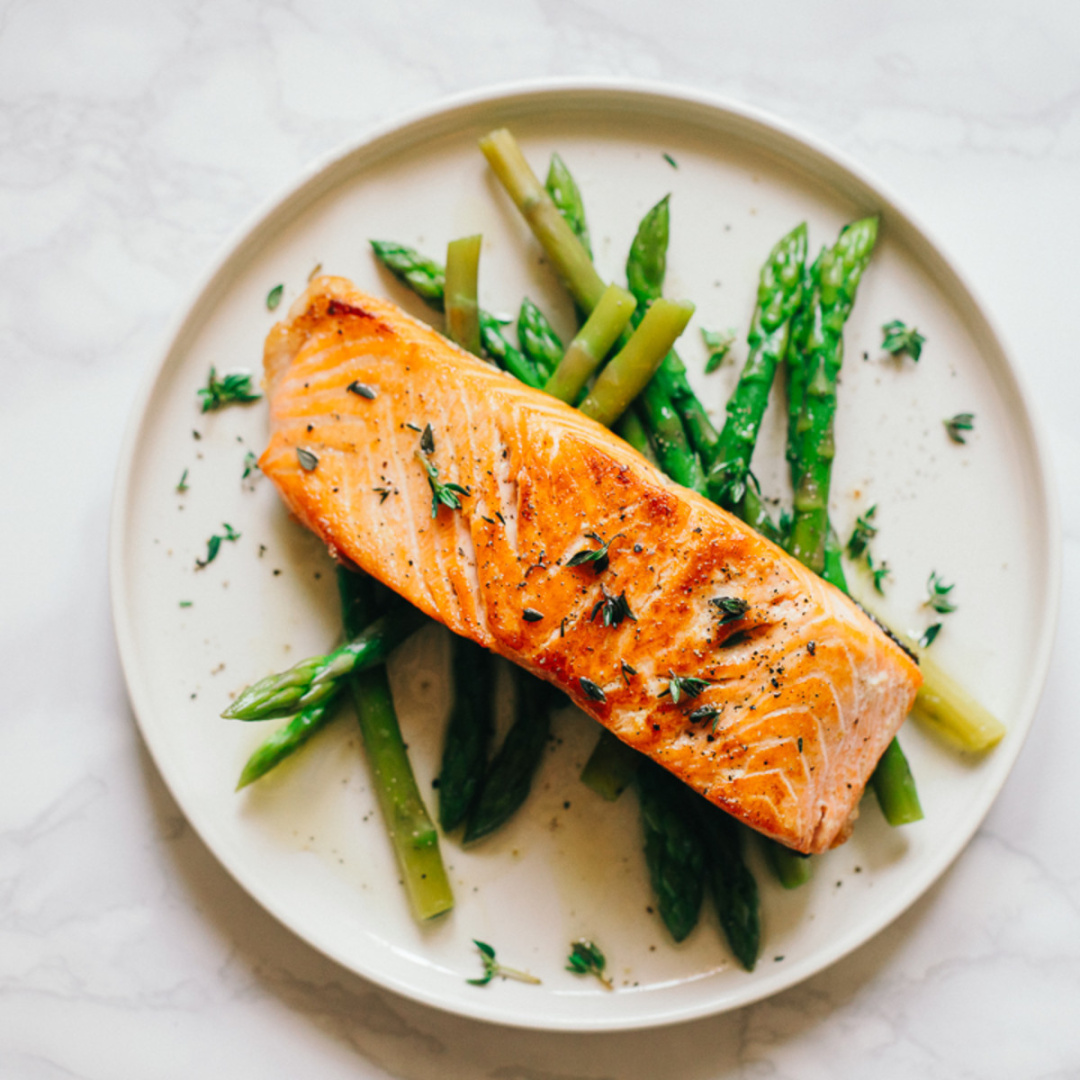
A study involving 405 women examined the connection between dietary habits and PMS. The researchers focused on adherence to the MIND diet, which combines principles from the Mediterranean and DASH diets, emphasizing the consumption of vegetables, berries, whole grains, fish, and olive oil. Participants reported changes in their eating habits in the days leading up to their menstrual cycles. Notably, nearly half of the women met the criteria for PMS based on their symptom scores.
The results indicated that women experiencing PMS were more likely to report an increase in their intake of refined grains, fried foods, sweets, coffee, packaged foods, and sugary beverages before menstruation. In contrast, those without PMS reported more consistent eating habits. Interestingly, while following the MIND diet more closely did not correlate strongly with milder PMS symptoms, age appeared to play a more significant role, with younger women generally reporting more severe symptoms.
Nutritional Strategies for Managing PMS Symptoms
Rather than solely focusing on what to eliminate from the diet, it may be more helpful to consider what nutrients might be lacking. Research suggests that certain foods, such as nuts, seeds, and legumes, could be beneficial for women experiencing PMS. While these foods are not guaranteed solutions, they can contribute to a nutrient-rich diet that supports overall health.
You don't have to ignore your cravings to maintain a healthy diet. Making a few simple adjustments can help you feel more satisfied without adding stress to your eating habits. Paying attention to nutrients like magnesium, iron, and calcium, along with a balanced intake of whole foods, can be a good starting point for managing cravings and supporting health during the premenstrual phase.