Mediterranean Diet Linked to Healthier Aging and Improved Memory
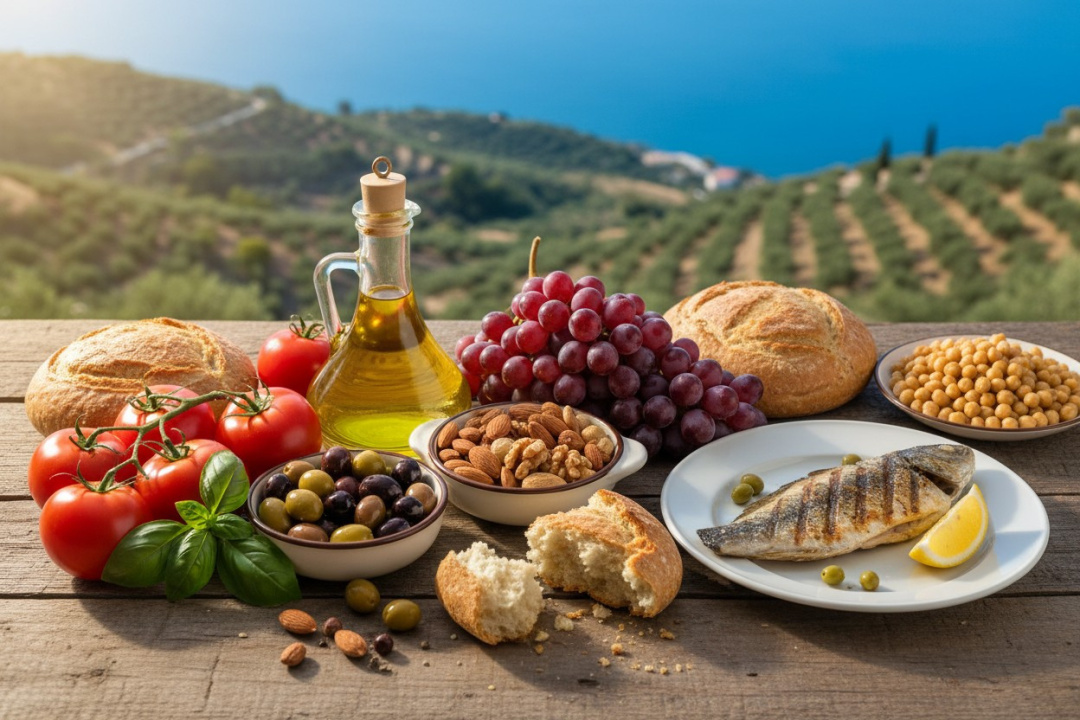
A recent systematic review published on November 2, 2026, in Nutrition Reviews has explored how dietary choices can impact aging over time. Researchers examined 11 human studies from Europe, the United States, and the Middle East to determine whether Mediterranean-style eating patterns are linked to healthier aging. The review analyzed data from randomized controlled trials, prospective cohort studies, and cross-sectional studies published between 2013 and 2025. After screening over 3,500 records, the researchers aimed to assess whether diets rich in vegetables, fruits, whole grains, beans, nuts, olive oil, and fish could influence biological age, memory, physical strength, frailty, and overall health.
One of the most significant findings from the review was derived from the DIRECT PLUS trial, which investigated the impact of Mediterranean-style eating on biological age. Participants adhering to this dietary approach exhibited an average favorable difference of 8.9 months between their observed and expected biological age, as determined by a blood test that detects chemical changes in DNA.
The Mediterranean diet emphasizes plant-based foods, healthy fats, and fiber while limiting red meat and added sugars. Interestingly, the review found that a polyphenol-rich variant known as Green-MED did not show significantly greater effectiveness than other Mediterranean-style diets, indicating that the overall dietary pattern may be more important than specific modifications.
Additional studies included in the review linked Mediterranean-style eating to measurable improvements in both physical and cognitive health. For instance, the one-year NU-AGE trial revealed that older adults following this dietary pattern experienced lower inflammation and improvements in handgrip strength and certain cognitive measures. Moreover, older men with the highest adherence to Mediterranean eating exhibited lower odds of frailty, while a nine-year study indicated that greater adherence was associated with slower memory decline in U.S. adults.
These findings are particularly relevant as cognitive decline and physical frailty pose significant challenges for aging populations worldwide. With increasing life expectancy, maintaining mental sharpness and physical independence has become a pressing public health concern.
The Mediterranean diet is rich in fiber, healthy fats, and polyphenols, which are natural plant compounds found in olive oil, nuts, and legumes. These compounds possess antioxidant and anti-inflammatory properties that may help protect cells from molecular damage. The review noted favorable associations between biological aging biomarkers, including telomere dynamics and epigenetic age, and adherence to Mediterranean-style eating.
Cautions on the Definitive Impact of the Mediterranean Diet
However, researchers cautioned that the findings do not definitively prove that this way of eating slows aging. Variations in how studies measured diet and aging complicate the ability to combine results. Some studies included factors like exercise or calorie restriction, making it challenging to isolate the effects of diet alone. Additionally, many studies relied on self-reported dietary intake, which can introduce inaccuracies.
You don't need to adhere to a strict meal plan to incorporate these findings into your life. Simple adjustments to your daily eating habits can help align your diet more closely with the Mediterranean pattern. Regularly include more plant-based foods such as vegetables, fruits, beans, lentils, and whole grains. Opt for healthy fats like olive oil, nuts, and seeds instead of butter and other saturated fats. Incorporating fish as a regular protein source is also beneficial.
The review found that improvements in frailty and physical performance were most pronounced in programs that combined dietary changes with physical activity. Engaging in regular exercise, such as brisk walking or strength training, complements these dietary choices effectively.
Embracing Mediterranean Principles for Healthy Aging
Healthy aging is not about discovering a single miracle food. This review suggests that Mediterranean-style eating may support various aspects of aging, from cognitive function and physical strength to biological age markers. As our nutritional needs evolve with age, it's essential to focus on adequate protein for muscle preservation, calcium and vitamin D for bone health, fiber for digestion and blood sugar management, and B12 for memory and nerve function. A Mediterranean diet naturally provides many of these vital nutrients.
For those looking to make a start, the solution may be simpler than anticipated. The research highlights the cumulative impact of daily food choices rather than the need for supplements or restrictive diets. What you choose to eat today can influence not only your energy levels tomorrow but also the trajectory of your aging process.