Smart Eating Tips for a Healthy Wedding Season
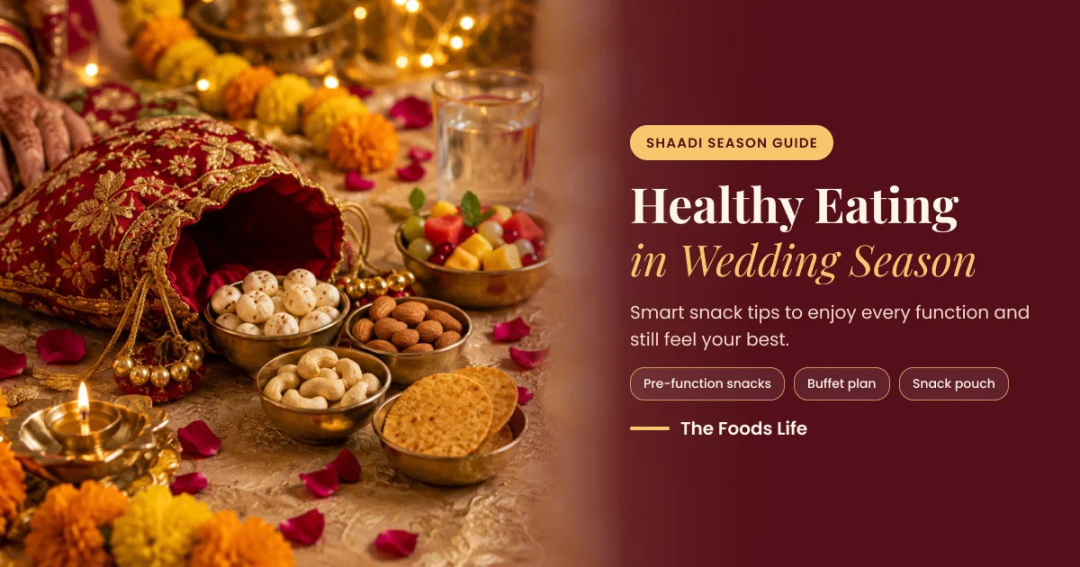
November in India marks the arrival of wedding season, known as shaadi season, characterized by a whirlwind of celebrations including haldi ceremonies, mehendi, sangeet nights, and lavish receptions. While these events are filled with joy and delicious food, they can also leave attendees feeling heavy and bloated by the end of the week. However, enjoying the festivities without compromising health is possible with a few smart eating habits. This guide provides practical snacking tips, strategies for navigating buffets, and ideas for recovery meals during busy wedding weeks.
The wedding season often disrupts regular routines, with meals served at unusual times and long gaps between them. For instance, lunch may be at 4 PM and dinner at 11 PM, leading to extreme hunger that can drive attendees straight to the fried starters. With an array of tempting options like pakoras, chaat, and rich desserts at every function, it’s easy to overindulge. Additionally, late-night celebrations and rehearsals can cut into sleep, further increasing cravings for sugary and salty foods.
One effective strategy is to eat a small, balanced snack an hour or two before heading out to a function. This helps curb hunger and allows for more mindful choices at the buffet. Options like a handful of almonds, roasted Himalayan salt makhana, or a piece of methi khakhra with curd can take the edge off without filling you up completely. Even on busy mornings, a quick bowl of rolled oats with milk and fruit or poha with peanuts can provide sustained energy until the next meal.
Staying hydrated is also crucial, especially if you plan to dance or spend time outdoors. Drinking a glass or two of water before getting dressed can help maintain energy levels throughout the day. When it comes to the buffet, a thoughtful approach can make all the difference. Take a full round before filling your plate, allowing you to choose the dishes you truly want rather than sampling everything. Starting with lighter options like salad, dal, grilled items, and sabzi can help balance out richer dishes later on.
Mindful Choices for Enjoying Wedding Delicacies
When selecting items, opt for grilled or tandoori starters over deep-fried options. Choose one fried item that you love and savor it slowly rather than overwhelming your plate with multiple choices. For desserts, instead of sampling a small piece of several sweets, pick your favorite and enjoy it mindfully. Be cautious with sweet drinks; alternating sugary beverages with water or nimbu pani can help manage overall sugar intake.
In between events, it’s essential to focus on lighter, homely meals that allow your body to recover from the rich wedding food. Dishes like khichdi, dal-chawal, curd rice, and vegetable soup can provide nourishment without heaviness. Replace leftover sweets with healthier snacks like fruit, sprouts chaat, or khakhra with curd. Remember, there’s no need to skip meals; normal portions are more effective for maintaining energy and balance.
Balancing Celebration and Health During Festivities
On non-function days, consider incorporating light physical activity such as a morning walk or stretching to help you feel more energetic. If late-night cravings strike after a sangeet, opt for lighter snacks like a small bowl of mild makhana or a glass of warm haldi milk instead of reaching for leftover sweets. Keeping a well-stocked snack shelf for guests can also help you serve healthy options quickly without the need for frying.
Healthy eating during wedding season is all about balance, not restriction. By planning ahead with snacks, making mindful choices at the buffet, and keeping meals light in between functions, you can fully enjoy the celebrations while feeling your best. Embrace the joy of dancing, laughter, and even that one perfect gulab jamun, knowing that you’re taking care of your health amidst the festivities.