Exploring the Connection Between Artificial Sweeteners and Sleep Quality
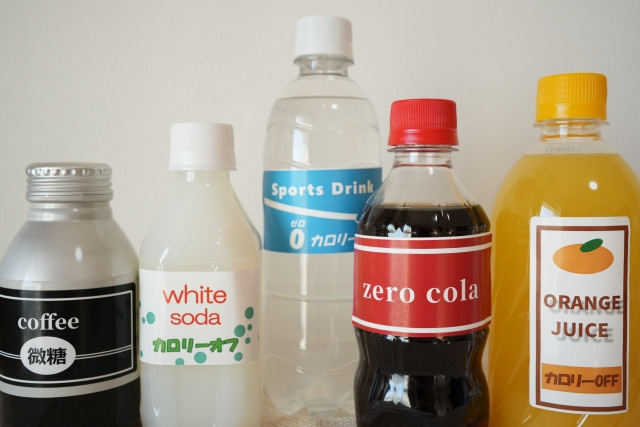
Many individuals are opting for diet sodas and sugar-free sweets in an effort to reduce sugar intake, believing these choices to be harmless due to their zero-calorie content. However, emerging research indicates that artificial sweeteners might have implications for sleep quality and even snoring. The potential connection lies in their effect on gut bacteria, which play a crucial role in serotonin production, a hormone that significantly influences sleep quality.
Most of the current understanding stems from animal studies, which suggest that artificial sweeteners could alter gut microbiota and impair glucose tolerance. For instance, research involving mice has shown that saccharin and other sweeteners can modify gut bacteria, while studies on fruit flies have linked sucralose to hyperactivity and insomnia. These findings, while intriguing, have not been conclusively demonstrated in human populations.
In 2023, the World Health Organization (WHO) issued a conditional recommendation against the use of non-sugar sweeteners for weight control, highlighting the need for caution. This guideline does not apply to individuals with diabetes, who may benefit from these sweeteners. The established link between obesity and snoring is well-documented, suggesting that weight gain could indirectly contribute to sleep apnea and snoring issues.
It is essential to recognize that while artificial sweeteners like sucralose, saccharin, and aspartame are widely used for their calorie-free benefits, their long-term effects on human health remain largely unstudied. The evidence indicates that these sweeteners can alter gut bacteria and potentially affect blood sugar control, but the variations in response based on the type of sweetener, dosage, and individual differences complicate the narrative.
Serotonin, often referred to as the "happiness hormone," is predominantly produced in the gut, accounting for over 90% of the body's total serotonin. This physiological pathway suggests a plausible link between artificial sweeteners, gut health, and sleep, but it is important to note that this remains a theoretical connection rather than a proven fact.
The Role of Guideline
The WHO's 2023 guideline emphasizes that the assumption of zero-calorie sweeteners being completely harmless is not necessarily accurate. While they can be useful in managing diabetes and aiding weight loss, moderation is key. If you are concerned about snoring, sleep quality, or weight gain, it may be beneficial to monitor your consumption of artificial sweeteners and consider undergoing a sleep assessment.
The current understanding of the relationship between artificial sweeteners and sleep is still evolving. Researchers acknowledge the need for more extensive human studies to clarify these connections. Additionally, many zero-calorie beverages contain caffeine, which can disrupt sleep patterns, further complicating the assessment of sweeteners' effects on sleep.
Understanding the Complex Relationship Between Diet and Sleep Quality
In conclusion, while artificial sweeteners are prevalent in many foods and drinks, their impact on sleep quality and snoring is not fully understood. Individuals concerned about these issues should consider reviewing their dietary habits and possibly seeking a sleep study to evaluate their breathing during sleep.
Kazuyuki Sugaya, Director of Ueno Snoring Clinic, emphasizes the importance of understanding the factors contributing to snoring, including dietary choices and lifestyle habits. As the research continues to unfold, staying informed about the potential effects of artificial sweeteners on health will be crucial for making informed dietary decisions.