Systematic Review Highlights Efficacy of Moringa oleifera Seeds for Water Treatment
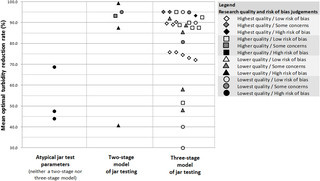
A systematic review published in PLOS Water examines the effectiveness of Moringa oleifera seeds as a natural coagulant for water treatment. The review, which spans research from 2014 to 2024, highlights the potential of Moringa seeds in improving water quality, particularly in areas lacking reliable water treatment facilities. The study synthesized data from 25 relevant publications, collecting a total of 511 data points to assess the efficacy of Moringa seed coagulants in reducing turbidity and microbial loads in water.
The review found that when Moringa seeds were used at appropriate concentrations and following a structured coagulation, flocculation, and sedimentation process, turbidity reduction rates could reach between 80% and 96%. However, the authors noted significant variability in research quality, with 16 reports receiving lower quality judgments and six being flagged for high risk of bias, primarily due to issues with experimental design and data completeness.
The authors emphasized that inadequate standardization in test water preparation and coagulant processing affected treatment outcomes, suggesting that more rigorous methodologies are needed to establish reliable results. They also pointed out that while turbidity and microbiological reduction rates were comparable in some studies, microbiological testing was not commonly performed, indicating a gap in comprehensive water quality assessment.
The review argues that Moringa oleifera, often referred to as the “miracle tree,” has been underutilized in water treatment despite its long history of use in traditional practices. The technology surrounding its use as a coagulant remains experimental, and the authors call for further research to address safety, effectiveness, and standardization issues. If proven safe and effective, Moringa seed coagulants could contribute significantly to achieving the United Nations Sustainable Development Goals related to water access and sanitation.
The systematic review serves as a critical step in guiding future research efforts and emphasizes the need for high-quality studies to validate the use of natural coagulants like Moringa oleifera in water treatment processes. This could ultimately lead to improved public health outcomes in regions where access to clean water is limited.