Four Medicinal Plants Highlighted for Their Potential Anti-Diabetic Properties
Diabetes affects approximately 589 million adults globally, with a significant number of cases occurring in low- and middle-income countries where conventional treatments may be inaccessible. In response to the limitations of standard medications, researchers have turned to traditional plants that have been used for centuries. A review published on June 3 in The Open Biochemistry Journal, led by Sara Ouari from University Ferhat Abbas Sétif 1 in Algeria, evaluated studies from Scopus, ScienceDirect, and Google Scholar published between 2000 and 2025. From an initial pool of nearly 1,250 studies, the team focused on 54 that provided molecular evidence of anti-diabetic properties in 16 different plants. Notably, this research was conducted without external funding.
The review found that while these 16 plants belong to diverse botanical families, they share common biological targets. Their active compounds, including flavonoids, polyphenols, alkaloids, and saponins, work by inhibiting gut enzymes responsible for converting carbohydrates into sugars, enhancing insulin signaling, and reducing oxidative stress on vital organs like the pancreas, liver, and kidneys.
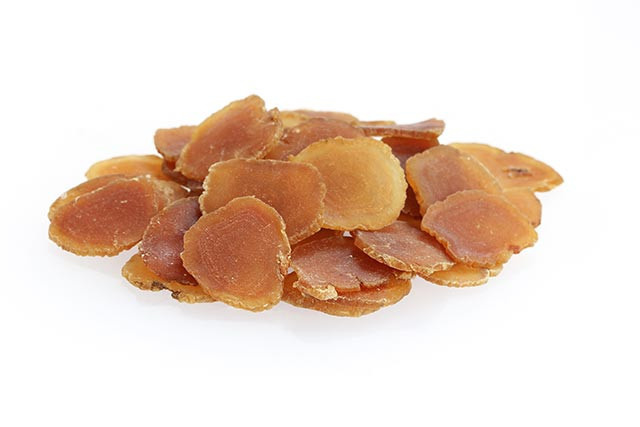
Among these plants, four stood out for their strong evidence of effectiveness: Gymnema sylvestre, known as 'Gurmar,' is well-studied for its gymnemic acids, which may reduce glucose absorption and stimulate insulin release. White mulberry contains compounds such as rutin and quercetin-3-O-?-D-glucoside that activate pathways regulating glucose uptake. Red ginseng, specifically steamed and dried Panax ginseng, offers ginsenosides that improve insulin sensitivity and combat oxidative stress. Lastly, pomegranate is recognized for its phenolic compounds, which have shown potential in lowering blood glucose levels in animal studies.
However, it is crucial to note that the majority of the evidence for these plants is derived from laboratory studies rather than human clinical trials. The authors of the review caution that while the findings are promising, they do not equate to proven efficacy in humans. The doses that are effective in laboratory settings may not be achievable through typical consumption methods, such as teas or supplements.
Despite these limitations, three of the highlighted plants are commonly consumed foods. Fresh pomegranate seeds can be added to yogurt or salads, while white mulberry is available as dried berries, tea, or leaf extract. Red ginseng can be enjoyed as a soothing tea, and Gymnema is often found in supplement form or brewed as an herbal tea.
The broader implication of this review emphasizes the importance of a diet rich in fiber, protein, and colorful, polyphenol-rich plants as a foundational approach to managing blood sugar levels.
Interestingly, the review's lack of funding raises questions about the future of research in this area. With no financial incentive for pharmaceutical companies to invest in studies on these plants, the potential benefits remain largely unexplored. This situation underscores the need for further clinical trials to validate the efficacy of these plants and provide patients with the information they deserve regarding their dietary choices.