Five Healthy Habits Linked to Lower Diverticulitis Risk, Study Shows
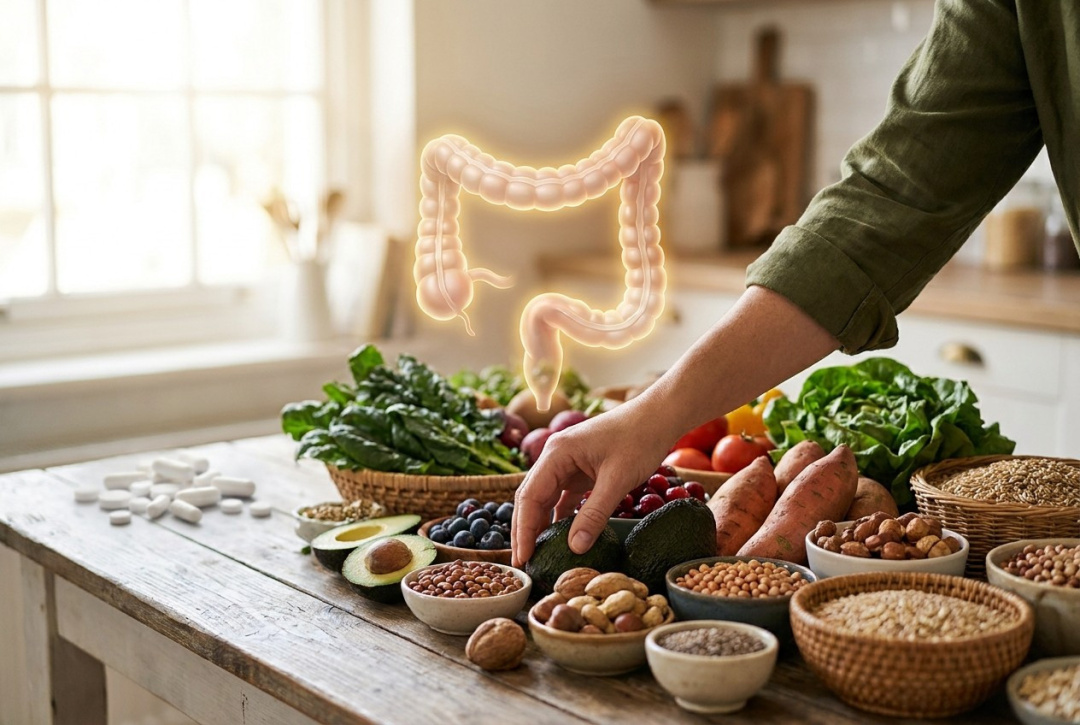
Diverticulitis is a condition characterized by inflammation or infection of pouches that form in the wall of the colon, leading to symptoms such as abdominal pain, fever, and nausea. Prompt medical attention is essential when symptoms become severe. A recent study published in the journal Gut found that adults who adhered to five healthy lifestyle habits had a 50% lower risk of developing diverticulitis compared to those who did not follow any of these habits.
The researchers evaluated participants based on five specific lifestyle factors, which were chosen based on previous research and public health guidance. These habits include maintaining a balanced diet, engaging in regular physical activity, avoiding smoking, limiting alcohol consumption, and managing weight. The study adds to a growing body of evidence suggesting that lifestyle choices can significantly impact the risk of diverticular disease. A prior study from 2017 indicated that a low-risk lifestyle could prevent up to 50% of diverticulitis cases, highlighting the potential benefits of making healthier choices.
While the findings support the idea that lifestyle modifications can help prevent diverticulitis, it is important to note that the study is observational. This means it tracks associations between habits and outcomes but does not establish direct causation. As such, while the results are promising, they do not definitively prove that adopting these habits will directly lead to a reduced risk of diverticulitis.
Dietary fiber plays a crucial role in digestive health, and public health guidelines recommend that adults consume between 20 and 30 grams of fiber daily. However, many individuals fall short of this target due to diets that lack whole fruits, vegetables, nuts, and seeds. Adequate fiber intake is essential as it adds bulk to stool and aids in healthy elimination. Unfortunately, as diets have shifted towards more refined foods, the natural fiber content has diminished, creating a new health risk factor.
Reevaluating Dietary Risks for Diverticulitis
The study's findings suggest that even those with a genetic predisposition to diverticulitis can benefit from making healthier lifestyle choices. Diverticulosis, the presence of pouches in the colon wall, affects approximately 30% of U.S. adults and can progress to diverticulitis when these pouches become inflamed or infected. The focus on modifiable habits in this study offers a framework for preventing a condition that becomes increasingly common with age.
Interestingly, the study challenges long-held beliefs that certain foods, such as popcorn, nuts, and berries with small seeds, should be avoided by individuals with diverticular disease. The findings indicate that these foods may not carry the risk once assumed, which could lead to a reevaluation of dietary recommendations for those affected by diverticulitis.
The Importance of Healthy Lifestyle Choices
As the American College of Gastroenterology prepares to release new guidelines addressing diverticulitis, including recommendations on antibiotics and dietary choices, the study underscores the need for updated clinical practices. The high rates of antibiotic prescriptions in U.S. Department of Veterans Affairs facilities highlight a gap between current practices and evolving evidence-based recommendations. Reducing unnecessary antibiotic use is crucial for addressing public health concerns, including antibiotic resistance.
In conclusion, the study emphasizes the significance of adopting healthy lifestyle habits to potentially reduce the risk of diverticulitis. While the findings are encouraging, they also serve as a reminder that lifestyle modifications should be part of a broader approach to health and wellness. By focusing on diet, physical activity, and other healthy behaviors, individuals can take proactive steps toward improving their digestive health and overall well-being.