Study Links Pro-Inflammatory Diets to Poor Cardiovascular Health in Hypertensive Adults
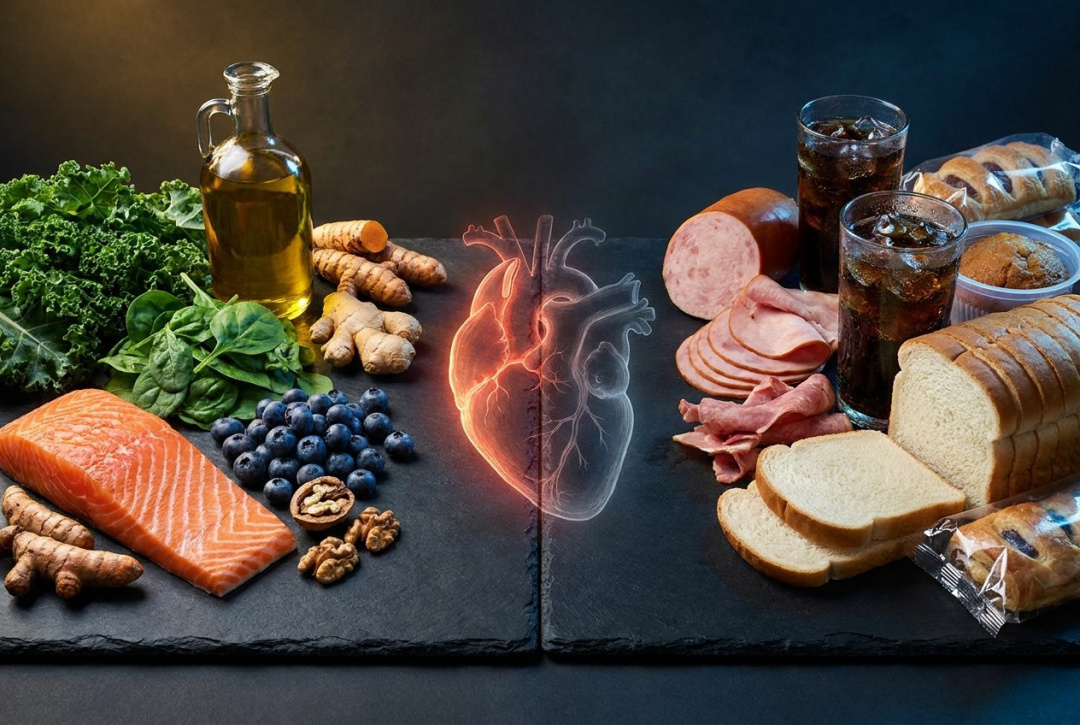
A study published in Frontiers in Nutrition has revealed a concerning link between pro-inflammatory diets and cardiovascular health in adults with hypertension. The research, which analyzed data from 12,376 U.S. adults, found that those consuming diets high in inflammatory foods exhibited significantly poorer cardiovascular health compared to those with less inflammatory diets. This association was consistent across a range of dietary inflammatory scores, indicating that even small increases in dietary inflammation can negatively impact cardiovascular outcomes.
The study's findings were further supported by a separate analysis involving 1,053 Chinese patients with hypertension who had previously undergone procedures to open blocked arteries. In both cohorts, individuals with the most pro-inflammatory diets faced nearly four times higher odds of poor cardiovascular health in the U.S. group and about three times higher in the Chinese group. This linear relationship across the full range of dietary inflammatory scores underscores the importance of overall dietary patterns rather than focusing solely on individual foods.
The researchers utilized the Dietary Inflammatory Index, a scoring tool that assesses the inflammatory quality of a diet based on 28 components, including fiber, omega-3 fatty acids, vitamins, and various food groups. A higher score indicates a more pro-inflammatory diet, while a lower score suggests an anti-inflammatory trend. This comprehensive measure reflects overall dietary patterns, which are crucial for understanding cardiovascular risk in hypertensive individuals.
Cardiovascular health was evaluated using the American Heart Association's Life's Essential 8 composite score, which encompasses various health metrics, including diet, physical activity, sleep, and blood pressure. The consistency of findings across both the U.S. and Chinese cohorts adds credibility to the research, although the observational nature of the study means that it can only establish associations, not causation.
How Highlighted Changes the Balance
The study also highlighted that hypertension is often accompanied by chronic low-grade vascular inflammation, which may heighten sensitivity to pro-inflammatory diets. Previous research involving 83,000 participants has shown that diet quality significantly influences blood pressure outcomes. Notably, the DASH diet has been associated with a 15% reduction in heart disease risk and a 22% reduction in mortality among individuals with high blood pressure, outperforming other dietary patterns like the Mediterranean diet.
Emphasizing Whole Foods for Better Cardiovascular Outcomes
Foods associated with lower dietary inflammation include fruits, vegetables, legumes, nuts, seeds, oily fish, whole grains, and healthy fats like olive oil. These foods are foundational to a Mediterranean-style diet, which has been linked to reduced cardiovascular risk. Conversely, diets high in ultra-processed foods, sugary beverages, and refined carbohydrates contribute to higher inflammatory scores.
The study emphasizes that shifts towards whole foods, legumes, and vegetables can foster lower inflammation and long-term cardiovascular health. For adults with hypertension, focusing on overall dietary patterns rather than individual foods is essential for improving cardiovascular health outcomes. This research adds to the growing body of evidence supporting the role of diet in managing hypertension and cardiovascular risk.