Understanding the Impact of Festive Eating on Weight and Health Risks
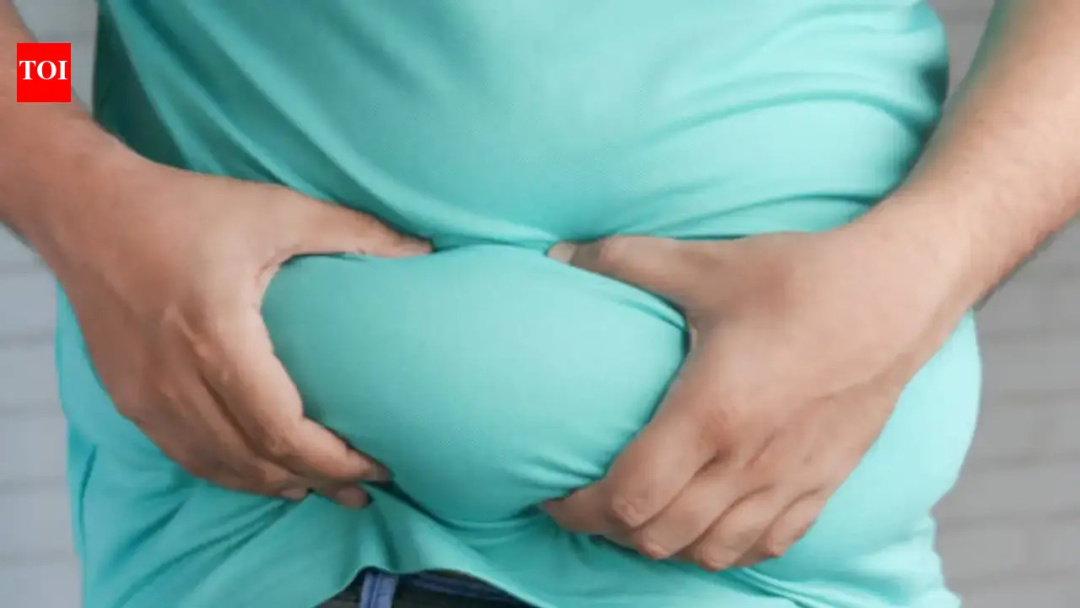
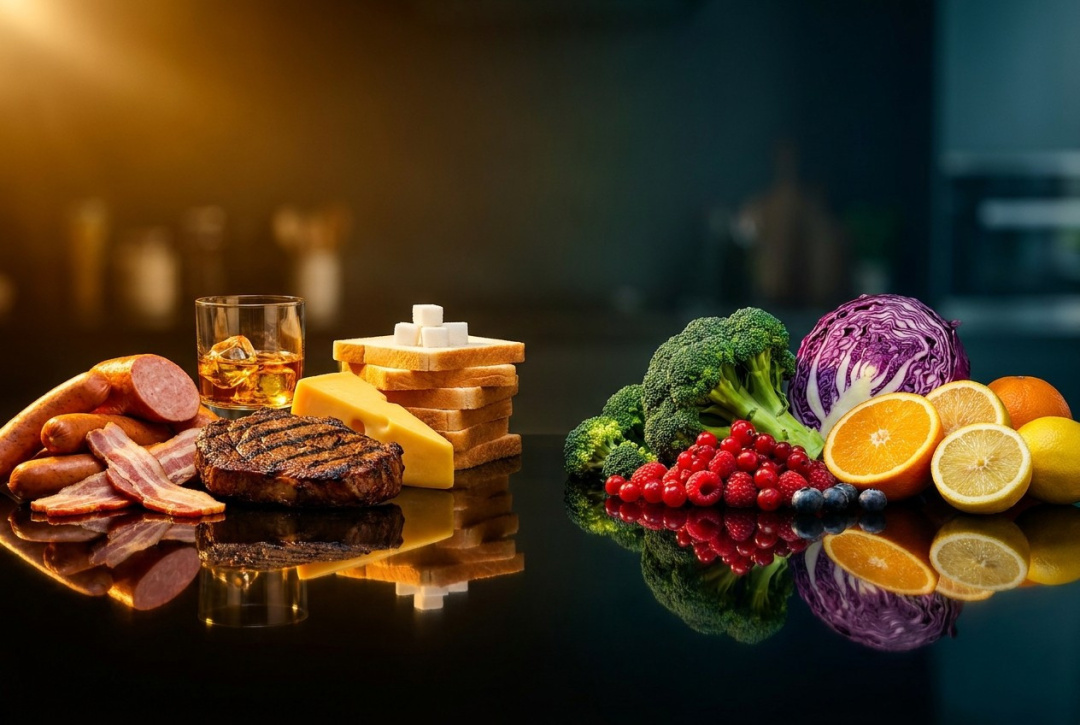
Festive overeating often leads to temporary bloating, water retention, and digestive discomfort. After a few days of indulging in sweets and fried foods, many people may notice a change on the scale that can cause concern. However, experts emphasize that this sudden increase in weight does not automatically translate to fat gain. Dr. Parichay Shah, a general physician at Apollo Clinic in Gurugram, explains that factors such as water retention and digestive issues can contribute to the feeling of weight gain. He notes that during festive celebrations, people tend to consume more fatty foods and sweets at irregular times, which can lead to weight fluctuations. However, he reassures that weight gain is not always a result of increased body fat. Salty foods can cause water retention, while gas and delayed digestion can lead to a swollen stomach. True fat gain is a gradual process that requires a consistent caloric surplus over time. Therefore, significant weight changes over a short period are more likely due to temporary factors rather than actual fat accumulation.
Another concern that often arises during festive seasons is whether overeating can increase cancer risk. According to Dr. Indoo Ammbulkar, Director of Medical Oncology at HCG Cancer Centre in Mumbai, indulging in festive foods for a few days does not directly elevate cancer risk. However, he warns that long-term unhealthy eating patterns, excess calorie consumption, and physical inactivity can contribute to an increased risk of certain cancers. The risk factors for cancer are influenced by a variety of elements, including age, family history, lifestyle choices, and long-term dietary habits.
Research from the US National Cancer Institute indicates that obesity is linked to at least 13 different types of cancer, including breast, colorectal, and pancreatic cancers. Excess body fat can disrupt insulin levels, hormones, and inflammation in the body, creating conditions that may promote cancer development. However, it is crucial to note that being overweight does not guarantee that an individual will develop cancer.
Navigating Post-Festive Nutrition for Lasting Health
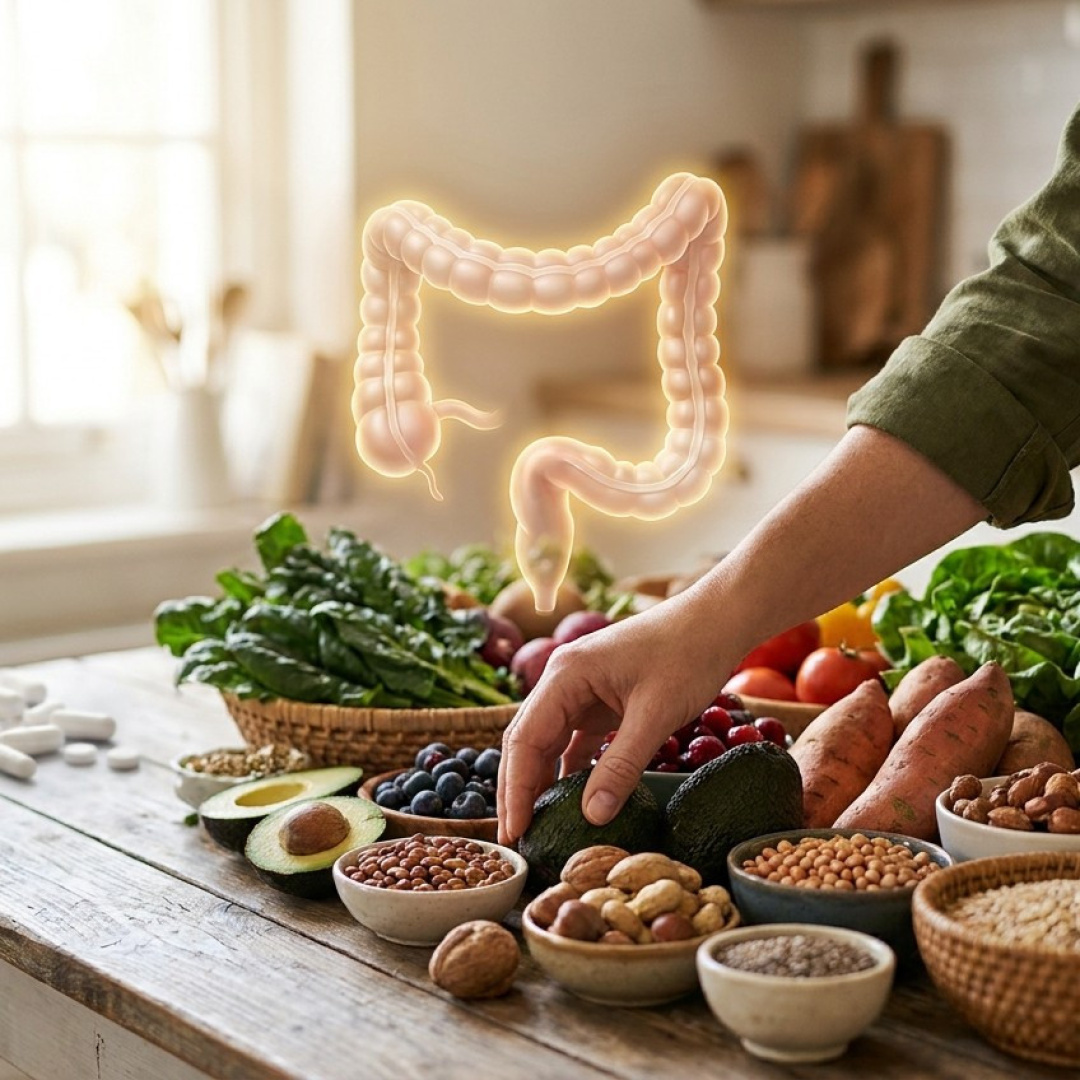
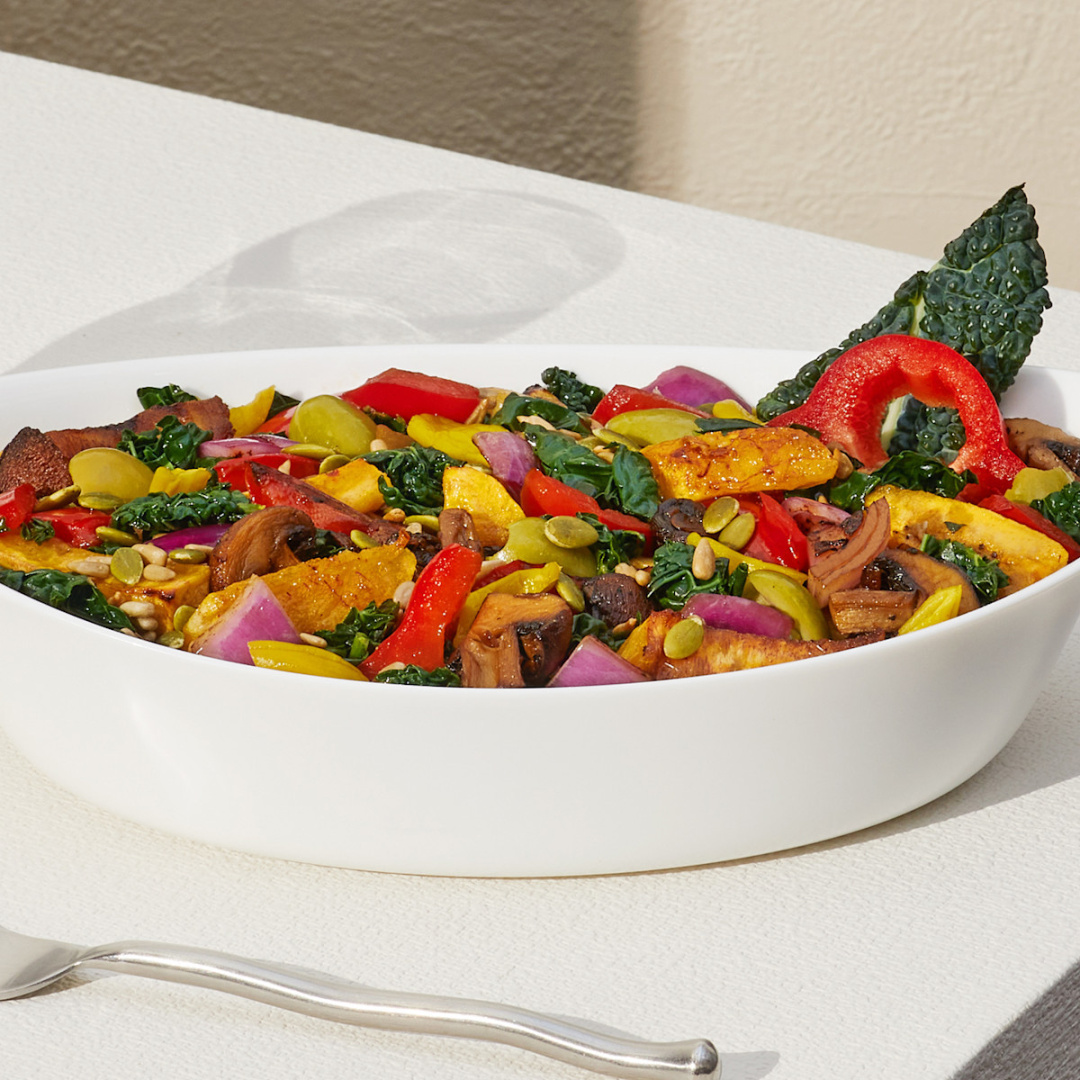
To return to healthy eating after the festive season, Dr. Shah suggests adopting a regular eating routine rather than resorting to extreme diets or detox programs. He emphasizes the importance of including a variety of foods in meals, such as vegetables, fruits, whole grains, and proteins. Staying hydrated and limiting salt and sugar intake are also vital steps in resuming a balanced diet. Regular physical activity can further help maintain a healthy weight and reduce the risk of certain cancers. Dr. Ammbulkar recommends aiming for about 150 minutes of moderate-intensity exercise each week, which can include activities like walking, dancing, or cycling. The key is consistency and not feeling guilty about enjoying festive foods. A few days of celebration should not lead to drastic measures like starvation or excessive exercise; rather, it is the long-term eating habits that matter most.