Seasonal Produce for Winter Wellness: Boosting Immunity and Hydration
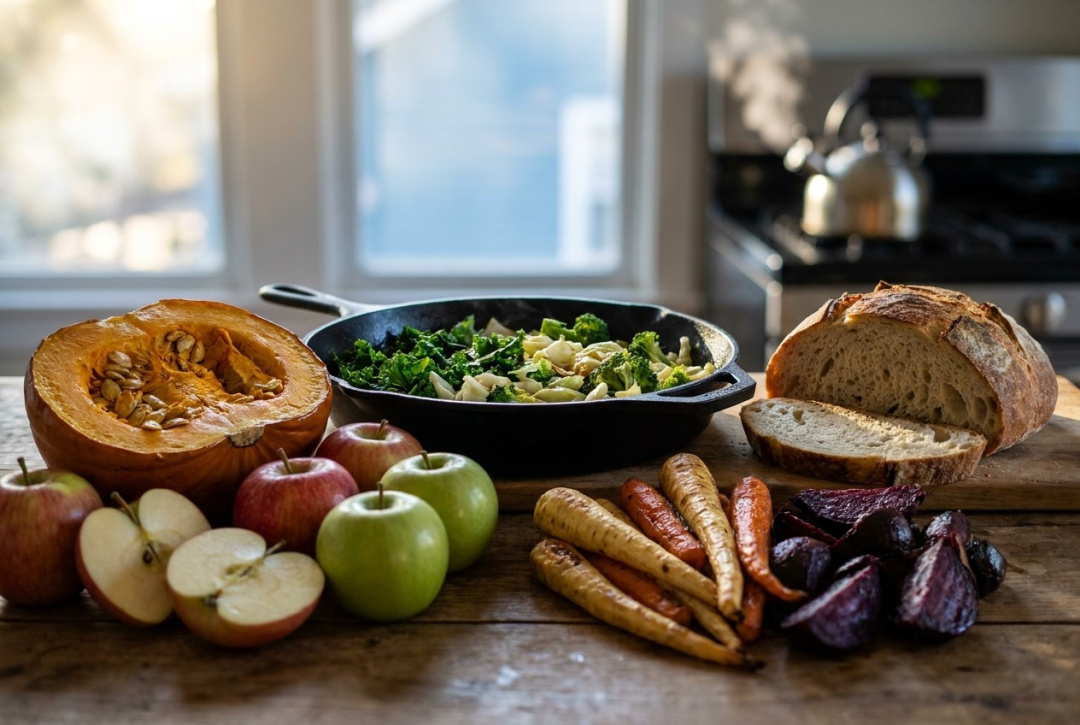
As winter sets in and indoor heating dries the air, incorporating seasonal produce into your diet becomes essential for maintaining hydration, boosting immunity, and supporting gut health. Dietitians emphasize that eating seasonally not only adds variety to meals but also ensures that the foods consumed are fresher and retain higher nutrient levels compared to those picked before ripeness and stored for extended periods. Seasonal foods, such as winter squashes, apples, and root vegetables, are particularly beneficial during this time.
Dietitian Anna Doherty notes that thin-skinned varieties like delicata and honeynut squash, when cooked, provide significant amounts of fiber and carotenoids, which are important for maintaining healthy bodily functions. Pumpkins, often processed into canned products, can also be enjoyed fresh, offering versatility in various dishes. Apples, a favorite fruit among Americans, along with pears, artichokes, Brussels sprouts, parsnips, and persimmons, are highlighted as fiber-rich options that are in season this fall.
Both apples and pears are hydrating fruits that help maintain moisture in the body, particularly in the mucous membranes that can be affected by dry indoor air. In Traditional Chinese Medicine (TCM), these fruits are believed to benefit lung health and are characterized as cooling, sweet, and slightly sour. Sweet potatoes, another seasonal staple, are packed with vitamins A and C, which are crucial for a robust immune system. Research suggests that the anthocyanins found in sweet potatoes may help regulate blood pressure and combat oxidative stress, further enhancing their health benefits.
Exploring the Benefits of Root Vegetables for Winter Nutrition
Root vegetables such as carrots, parsnips, and beets thrive in colder weather, converting their starches into sugars that not only protect them from frost but also enhance their flavor. TCM attributes neutral to warming properties to these vegetables, which can aid digestion, making them ideal for winter meals. Kale, known for its detoxifying properties due to compounds like glucosinolate, remains available even after summer crops have faded, providing essential nutrients during the colder months.
Maximizing Health with Seasonal Produce Choices
Research indicates that consuming more broccoli may lower the risk of certain cancers, including gastrointestinal and colorectal cancers. In TCM, broccoli and similar vegetables are considered beneficial for digestion and are enhanced through cooking, which makes them more warming as temperatures drop. Cooking methods such as baking and roasting not only soften fibrous vegetables but also concentrate their natural sweetness, making them more enjoyable to eat.
Despite the many benefits of seasonal produce, it's important to note that most Americans fall short of the recommended daily fiber intake of 25 to 34 grams, often consuming only 10 to 15 grams. Incorporating a variety of seasonal fruits and vegetables can help bridge this gap, supporting overall health and wellness during the winter months.