Managing Blood Pressure Could Prevent Over 500,000 Deaths Annually
In the quest for longevity, many people track various health metrics such as steps, sleep scores, and heart rate variability. However, one crucial number often overlooked is blood pressure, which is typically only considered during a doctor's visit. Unlike more frequently monitored metrics, high blood pressure often comes without noticeable symptoms, leading many to believe their health is fine without regular checks.
A recent study presented at the American Heart Association's Hypertension Scientific Sessions 2026 explored how many lives could be saved if more individuals received necessary preventive healthcare. Researchers analyzed health data from 20 countries, focusing on chronic diseases that contribute significantly to mortality. They examined six areas of preventive care, including the management of high blood pressure, cholesterol, and blood sugar, along with cancer screenings.
The study specifically looked at blood pressure management and estimated the potential impact on mortality rates if 80% of individuals with hypertension achieved blood pressure readings below 140/90 mmHg. The findings revealed that improving blood pressure treatment could prevent more than 518,000 cardiovascular deaths annually across the studied countries, making it the most significant preventive measure among those analyzed.
In contrast, enhancing cholesterol treatment with statins could prevent about 341,000 deaths, while better management of blood sugar levels in diabetic patients could save around 310,000 lives. These figures underscore the critical importance of blood pressure control in maintaining cardiovascular health.
Understanding the Broader Implications of High Blood Pressure
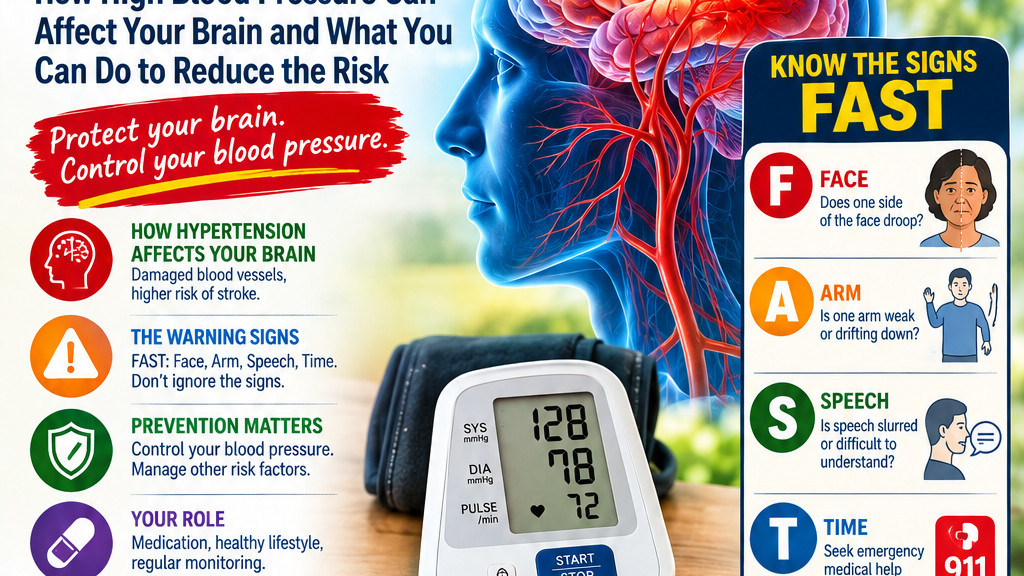
Elevated blood pressure forces the heart to work harder, which can lead to damage to blood vessels over time and increase the risk of heart disease, stroke, and heart failure. Additionally, high blood pressure is linked to cognitive decline and dementia, highlighting its relevance not only for heart health but also for brain function. Given that individuals can have high blood pressure for years without experiencing symptoms, it is vital to monitor this health metric regularly.
Practical Steps for Effective Blood Pressure Management
You don’t have to wait for your annual physical to start paying attention to your blood pressure. Simple lifestyle changes, such as dietary adjustments and regular exercise, can help manage blood pressure effectively.
This research indicates that better management of blood pressure could significantly reduce premature deaths. While these estimates are preliminary and based on existing data rather than direct patient interventions, they align with decades of research supporting the benefits of treating hypertension. Paying attention to blood pressure is essential for long-term health and can be one of the most impactful actions individuals can take for their well-being.