Dietary and Lifestyle Changes in Cancer Patients During Treatment in Lebanon
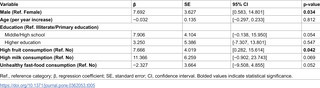
Cancer diagnosis often leads to significant changes in patients' nutritional needs and lifestyle habits, which can affect their quality of life (QOL). A recent study conducted at Al Zahraa Hospital University Medical Center in Beirut, Lebanon, aimed to assess these changes among adult cancer patients undergoing active treatment. The study involved 145 participants, primarily Lebanese women, who reported their dietary and lifestyle behaviors before and after their diagnosis. The results indicated that nearly half of the participants (47.6%) noted positive changes in smoking behavior, while 34.5% reported a decrease in physical activity. Notably, dietary improvements included a reduction in sugar intake (60.0%), red meat consumption (49.6%), and fast-food intake (34.5%). Factors such as younger age and employment status were associated with higher dietary-change scores, while marital status and medical insurance influenced changes in tobacco habits. The average QOL score, measured using the Functional Assessment of Cancer Therapy–General (FACT-G), was 70.48 out of 100, suggesting a correlation between favorable dietary changes and improved QOL. However, the study's cross-sectional design limits the ability to draw causal conclusions. These findings underscore the need for future longitudinal studies to explore how tailored nutritional and lifestyle interventions can support cancer patients during treatment in Lebanon. Understanding the interplay between dietary habits and QOL is crucial for developing effective patient-centered care strategies. This study highlights the importance of addressing both clinical outcomes and the overall well-being of cancer patients, particularly in regions facing economic challenges that may hinder access to healthy food options and lifestyle support.