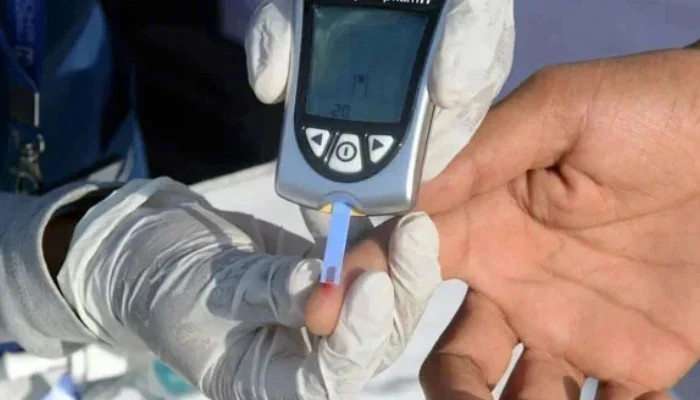
Study Finds Diet and Exercise Can Reverse Early-Onset Type 2 Diabetes
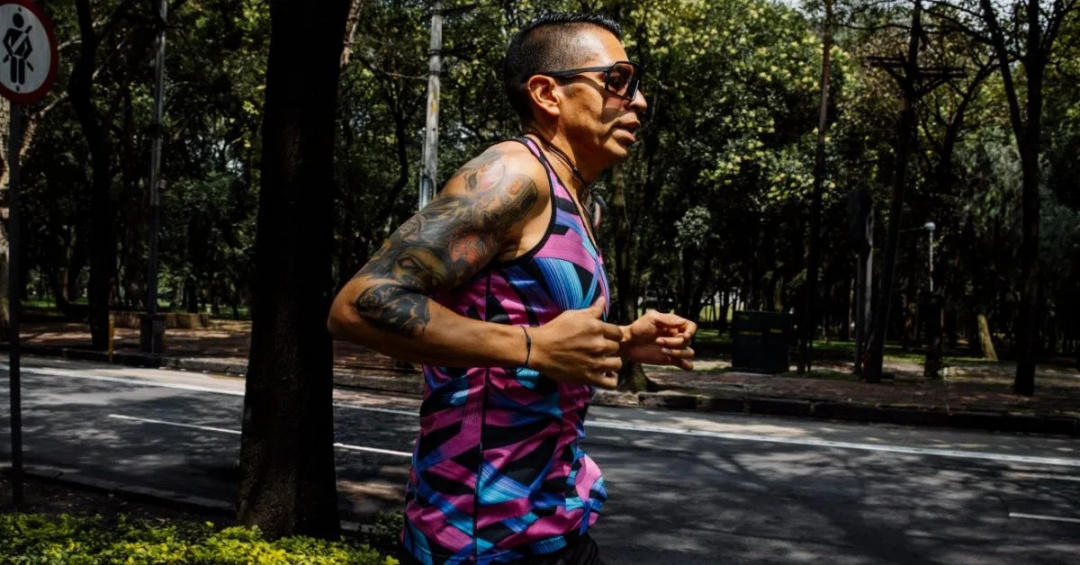
Type 2 diabetes is characterized by elevated blood glucose levels due to the body's reduced response to insulin, which regulates glucose movement from the blood into cells. While it typically affects individuals over 45, there has been a concerning rise in cases among younger populations, particularly in conjunction with increasing obesity rates. Young-onset type 2 diabetes tends to be more severe, with a higher likelihood of complications such as heart disease, stroke, and kidney disease occurring earlier in life.
A recent study has provided promising evidence that early-onset diabetes may be reversible through dietary and exercise interventions. Conducted with participants aged 18 to 45 who were diagnosed with type 2 diabetes within the last six years, the study involved a very low energy diet paired with supervised exercise. Remarkably, over half of the participants achieved remission from their diabetes within just a few weeks.
The research, led by Dr. Kaberi Dasgupta from McGill University, was published in The Lancet Regional Health: Americas. Dr. Dasgupta emphasized the urgency of addressing diabetes in younger adults, noting that complications can arise by middle age or sooner, impacting their ability to maintain their personal and professional lives. The study aimed to explore non-medication options, particularly important for those who may be pregnant or breastfeeding.
Dr. Eamon Laird, a nutrition lecturer not involved in the study, remarked on the significance of the findings, stating that remission is an attainable goal for some younger adults with type 2 diabetes. He highlighted the importance of combining weight loss with both resistance and aerobic exercises, as muscle strength and overall fitness are crucial for managing blood glucose levels.
However, he cautioned that the study's sample size of 96 participants and its six-month duration limit the conclusions that can be drawn. The absence of a diet-only control group also complicates the assessment of the specific benefits derived from exercise.
How Group Changes the Balance
Participants were randomly assigned to either an intervention group, which followed a diet of 800-900 kilocalories per day comprising 30% protein, 50% carbohydrates, and 20% fat, alongside structured exercise, or a control group that continued their usual care. Evaluations were conducted at the start, 12 weeks, and 24 weeks into the study. At the 12-week mark, 58% of the intervention group had achieved remission compared to only 4% in the control group. By 24 weeks, 54% of the intervention group maintained their remission status.
While these results are encouraging, Dr. David Cutler, a family medicine physician, raised concerns regarding the challenges of adhering to such a restrictive diet and the high incidence of adverse effects experienced by participants, including headaches and dizziness. He noted that lifestyle modifications, including diet and exercise, are essential in managing blood sugar levels and can lead to remission in some cases.
The Importance of Professional Guidance in Diabetes Management
Despite the promising outcomes, both Dr. Laird and Dr. Cutler stressed the importance of clinical supervision when undertaking such a regimen. They highlighted the need for ensuring that individuals receive adequate nutrition while following a low-calorie diet, as it can be difficult to achieve the necessary micronutrients without professional guidance.
Dr. Dasgupta acknowledged that while many individuals tend to regain weight after weight loss programs, those who experience temporary remission can still benefit from reduced risks of diabetes-related complications. It is crucial to recognize that remission does not equate to a permanent cure, and ongoing management remains essential for long-term health.