Mediterranean Diet May Support Healthy Aging: Study Insights
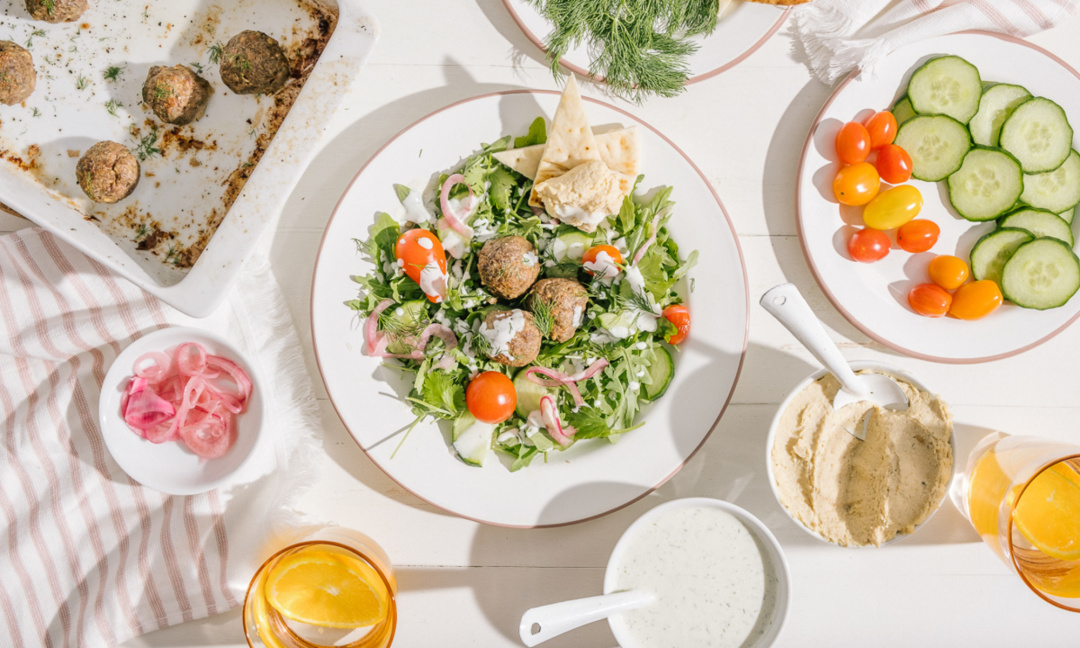
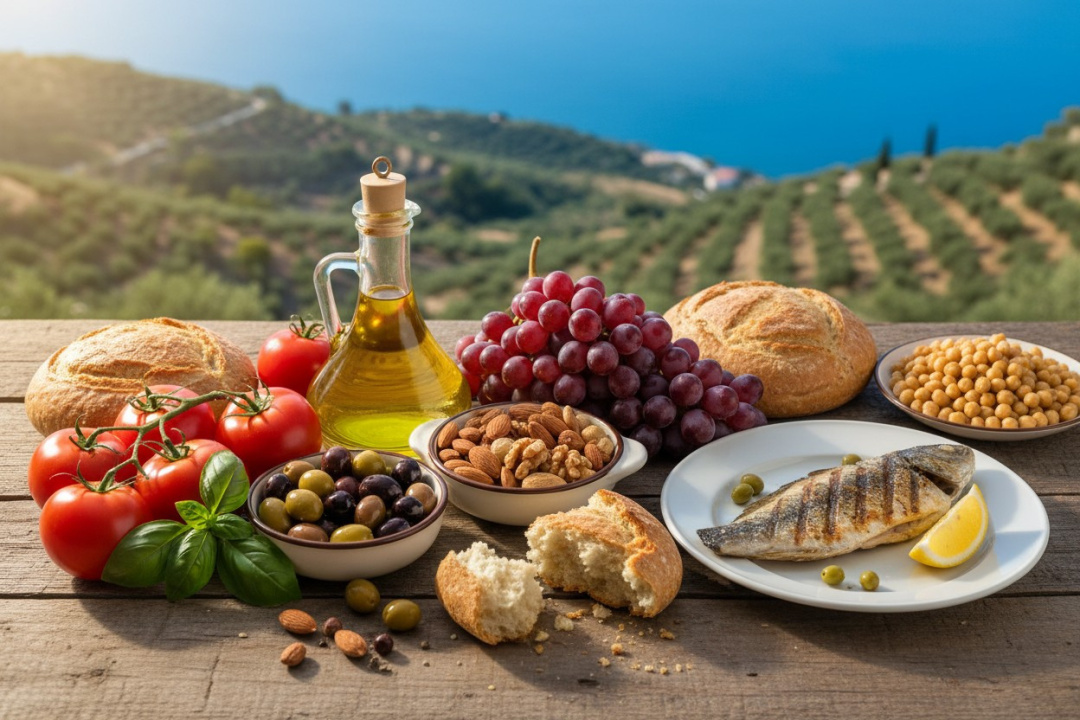
Recent research highlights the potential impact of dietary choices on healthy aging. A new review of 11 human studies has explored how everyday food selections, particularly adherence to a Mediterranean-style diet, may influence various aspects of aging, including biological age, memory, and physical strength. This diet emphasizes the consumption of vegetables, fruits, whole grains, beans, nuts, olive oil, and fish while reducing red meat and added sugars. Previous studies have already linked this dietary pattern to improved heart and metabolic health, but researchers aimed to investigate its specific benefits related to aging.
To conduct this review, researchers sifted through three research databases for studies published between 2013 and 2025, ultimately including 11 studies from Europe, the U.S., and the Middle East. One notable study, the DIRECT PLUS trial, examined whether following a Mediterranean-style diet could influence biological age. Participants adhering to this diet showed an average favorable difference of 8.9 months between their observed and expected biological age, as determined by a blood test measuring chemical changes in DNA.
Another variant of the Mediterranean diet, known as Green-MED, which is rich in polyphenols, did not show significantly better results than the traditional Mediterranean approach. However, other studies within the review found positive correlations between this diet and enhanced physical and cognitive health. For instance, the one-year NU-AGE trial revealed that older adults following a Mediterranean-style diet experienced lower inflammation levels and improvements in handgrip strength and certain memory measures.
Moreover, older men who adhered most closely to this dietary pattern had lower odds of frailty, while a nine-year study indicated that greater adherence was associated with slower memory decline among U.S. adults. The Mediterranean diet is abundant in fiber, healthy fats, and polyphenols—natural plant compounds found in foods like olive oil, nuts, and legumes. These compounds are known for their antioxidant and anti-inflammatory properties, which may help protect cells from damage.
The Role of Studies
Despite these promising findings, it is important to note that the studies reviewed do not definitively prove that this dietary pattern slows aging. The methodologies varied, making it challenging to combine results, and some studies included factors like exercise or calorie restriction, complicating the ability to isolate the effects of diet alone. Additionally, many studies relied on self-reported dietary intake, which can sometimes lack precision.
Embracing Mediterranean Choices for Holistic Aging Support
Incorporating Mediterranean staples into your meals doesn't require a strict meal plan. The review indicated that improvements in frailty and physical performance were most pronounced in programs that combined dietary changes with physical activity. Regular exercise, such as brisk walking or strength training, complements these dietary choices effectively.
Healthy aging isn't about finding a single magic food. However, this review suggests that embracing a Mediterranean-style diet may support various aspects of aging, from cognitive function to physical strength and biological age. This insight offers yet another compelling reason to be mindful of your grocery list and the foods you choose to include in your diet.