The Second Meal Effect: How Breakfast Influences Your Lunch
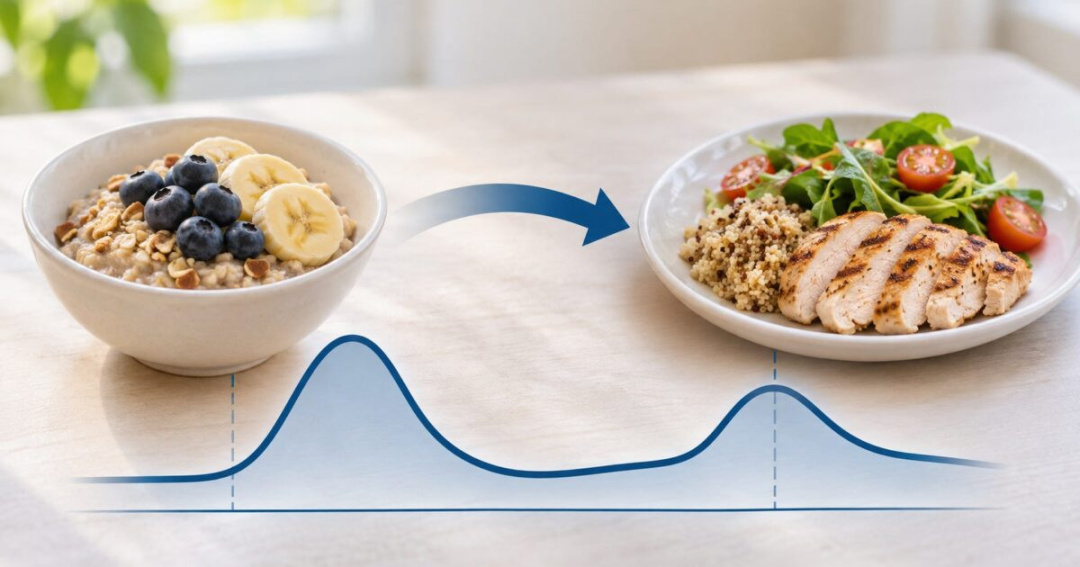
Most people view meals as isolated events, thinking that after eating breakfast, their blood sugar rises and falls, resetting by lunchtime. However, research indicates that breakfast can continue to influence blood sugar levels five hours later, and even dinner can affect how the body handles breakfast the next morning. This phenomenon is known as the second-meal effect, which underscores the importance of understanding how our meals are metabolically interconnected.
A study conducted in 2006 involved ten healthy adults who consumed one of three different breakfasts before having the same lunch, which contained 93 grams of carbohydrates. The researchers aimed to determine whether the breakfast composition would affect blood glucose responses during lunch. The results showed that participants had varying blood glucose responses based on their breakfast choices, despite consuming the same lunch. This finding highlights how previous meals can influence the body's metabolic response to subsequent meals.
The second-meal effect was first identified about a century ago and later explored by David Jenkins, who developed the glycemic index in the early 1980s. Repeated spikes in blood sugar after meals are linked to increased cardiometabolic risks, such as type 2 diabetes and heart disease. If modifying breakfast can enhance the body’s response to lunch, it presents an additional strategy for managing blood sugar without altering lunch itself.
Several biological mechanisms explain the second-meal effect. One factor is the release of free fatty acids (FFAs) from adipose tissue, which provides energy between meals. After eating, insulin suppresses the release of FFAs, and elevated FFAs can hinder glucose uptake in muscles. A breakfast that keeps FFAs lower for several hours may help muscles process glucose more effectively when lunch arrives.
Another mechanism involves fermentable carbohydrates. In the aforementioned study, one breakfast included a high-glycemic cake supplemented with lactulose, a fermentable carbohydrate. This carbohydrate behaves similarly to certain prebiotic fibers found in foods like beans and oats. Instead of being digested in the small intestine, lactulose reaches the colon, where gut bacteria ferment it, producing compounds that assist in regulating blood sugar. Despite the high glycemic index of the breakfast, participants exhibited improved blood sugar responses to lunch five hours later, attributed to the fermentation process and reduced FFAs in the blood.
Exploring Hormonal Influences on Meal Responses
Hormonal priming is another aspect of the second-meal effect. The first meal can influence the pancreas and digestive system's response to the next meal. For instance, in adults with type 2 diabetes, breakfast can prime hormonal responses to lunch, leading to higher insulin and gut hormone levels after lunch compared to breakfast.
While protein is vital for breakfast, its benefits differ from the second-meal effect. When combined with carbohydrates, protein can moderate glucose responses, but these benefits do not necessarily extend to the next meal. In one trial involving adults with type 2 diabetes, a high-protein breakfast reduced post-breakfast glucose but did not affect lunchtime glucose compared to a high-carbohydrate breakfast. Thus, while protein is essential for meals, its second-meal benefits are less pronounced than those of certain fermentable fibers and slowly digested carbohydrates.
Fat also plays a role in carbohydrate processing. It can delay carbohydrate absorption, reducing initial glucose spikes, but may prolong glucose responses, particularly in individuals with diabetes. Similar to protein, fat's effects on one meal do not always translate to improved glucose control in subsequent meals.
Understanding the Lasting Impact of Dinner Choices
Research suggests that what you eat for dinner can influence your blood sugar the following morning. Studies have shown that low-glycemic evening meals, especially those containing slowly digested or fermentable carbohydrates, can enhance glucose tolerance at breakfast. This indicates that the metabolic effects of a meal can persist for up to 16 hours, depending on the food type and interval between meals.
Ultimately, the second-meal effect illustrates that meals are metabolically linked, and understanding this connection can aid in managing blood sugar levels. This knowledge is particularly relevant for those practicing intermittent fasting, as the food consumed in one meal can significantly impact glucose responses in subsequent meals. By recognizing the importance of meal composition and timing, individuals can make informed choices that support better metabolic health and sustainable weight management.