Exploring Nutrition's Role in Supporting Neurodivergent Well-Being
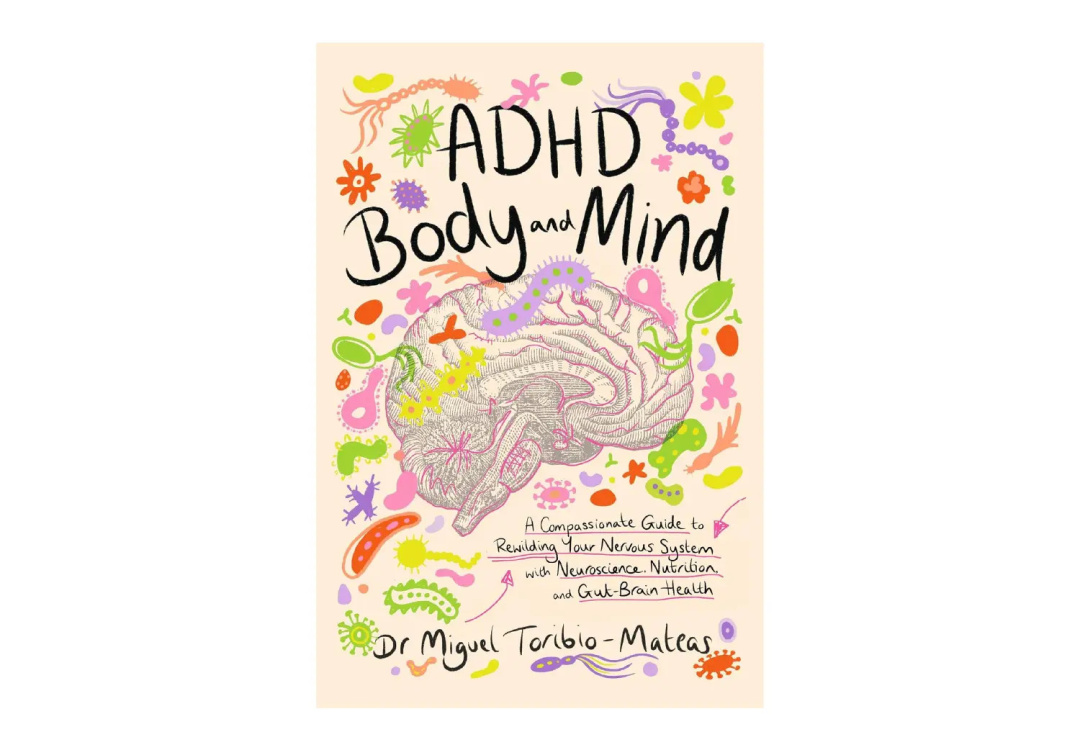
Dr. Miguel Toribio-Mateas explores the intricate relationship between nutrition, gut health, and neurodivergent well-being, particularly in the context of ADHD. He emphasizes that ADHD can affect daily life in ways that extend beyond attention issues, impacting executive function and the ability to recognize hunger, prepare meals, and maintain a healthy sleep routine. Rather than advocating for a strict regimen, Toribio-Mateas encourages a compassionate understanding of how to support individuals with ADHD in their daily lives.
He notes that a day perceived as unproductive may involve significant invisible effort, especially for those who are tired or overstimulated. While better self-care cannot eliminate ADHD, it can facilitate a more responsive support system tailored to the individual's circumstances. It is crucial to recognize that challenges with organization or emotional regulation are not merely failures of willpower.
To better manage daily tasks, Toribio-Mateas suggests tracking sleep, energy, and stress levels alongside concentration for a week. This practice can help individuals identify patterns that make certain tasks easier or more challenging. He also delves into the communication between the gut and brain, highlighting that while microbiome research is promising, it does not establish a direct cause-and-effect relationship between gut bacteria and ADHD. The current findings remain preliminary and inconsistent, underscoring the importance of caution when considering supplements marketed for focus enhancement.
Instead of relying on supplements, Toribio-Mateas advocates for a varied and tolerable diet, encouraging discussions with qualified professionals regarding any persistent digestive symptoms. He stresses that eating well encompasses more than just knowledge of nutritious foods; it also involves practical aspects like remembering meals, grocery shopping, and preparing food, especially when energy levels are low. The goal should be to simplify nourishment rather than create complicated meal plans that add stress.
Emphasizing Flexibility in Nutritional Approaches for ADHD
Toribio-Mateas's compassionate approach to nutrition promotes flexibility over rigid dietary rules, recognizing that while protein, fiber, and dietary variety contribute to overall well-being, no specific diet has been universally established as a treatment for ADHD. The immediate aim can be to make regular nourishment more accessible, avoiding the pitfalls of overly strict dietary guidelines that can burden those already facing challenges.
Strategies for Easing Daily Challenges in ADHD Management
ADHD often intersects with sleep difficulties, emotional regulation, and sensory overload, which can complicate daily functioning. Toribio-Mateas suggests that supportive strategies, such as creating a quieter workspace or allowing time for movement breaks, can help manage these challenges. However, he cautions against confusing these strategies with proven treatments for ADHD symptoms, emphasizing that they should be viewed as tools to reduce friction in daily life.
To further ease daily tasks, he recommends identifying one recurring point of friction and simplifying it. This could involve setting reminders for breaks, preparing convenient meals, or creating a less distracting work environment. By focusing on what makes daily activities more manageable, individuals can cultivate a supportive routine that aligns with their unique needs and circumstances.