Study Reveals Fiber-Rich Parts of Fruits and Vegetables Are Often Discarded
Getting enough fiber is crucial for maintaining a healthy diet, yet research indicates that most Americans are not meeting the recommended fiber intake levels. A new study published in the International Journal of Food Sciences and Nutrition reveals that many parts of fruits and vegetables, often discarded as food scraps, contain more fiber than the commonly consumed portions. This insight presents an opportunity to address the significant fiber gap in diets by modifying how we perceive and use these food scraps.
The study, led by nutrition scientist Rachel Gibson from King's College London, examined the 'root-to-tip' components of 12 widely consumed fruits and vegetables. These included beetroot, bell pepper, broccoli, butternut squash, cauliflower, celeriac, curly kale, fennel, kiwi fruit, leek, pineapple, and watermelon. The researchers found that in all but two cases (broccoli and fennel), the discarded parts had a higher fiber content by weight than the edible portions. This indicates that consumers are wasting a significant amount of fiber-rich food.
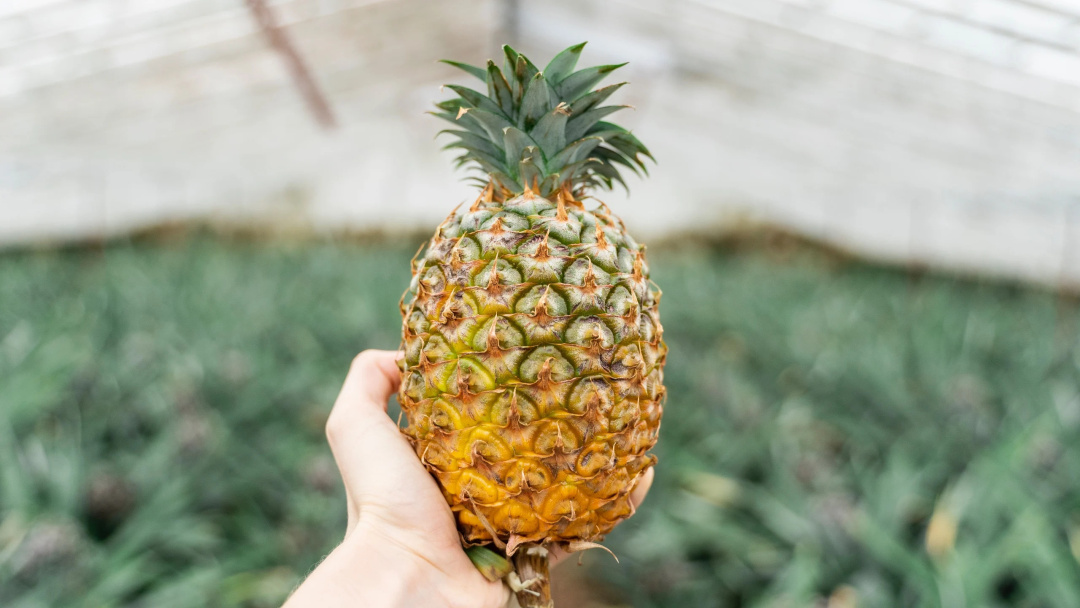
Among the analyzed produce, pineapple skin and core contained approximately 453 percent more fiber than the flesh, while watermelon rind had 425 percent more fiber. Butternut squash also showed a substantial difference, with its skin, seeds, and innards containing 362 percent more fiber than the flesh. In contrast, broccoli stalks had 28 percent less fiber than the florets, illustrating that not all discarded parts are more nutritious.
Recognizing the Nutritional Value of Overlooked Produce Parts
The researchers emphasize that the goal is not to force people to eat unpalatable parts of fruits and vegetables but to recognize the nutritional value in components that are often overlooked. "This isn't about perfection; it's about acknowledging the nutritional benefits of what we typically discard," Gibson explains. By making better use of these often-ignored parts, individuals can increase their dietary fiber intake in a simple and sustainable manner.
Rethinking Food Waste for Healthier Eating Habits
Focus group discussions conducted as part of the research revealed that while some participants recognized the fiber content in these root-to-tip components, there were still concerns about their palatability. The researchers suggest that promoting the nutritional benefits of these parts may help change consumer perceptions and encourage more sustainable eating practices.
The findings of this study underscore the importance of rethinking our food waste habits. By incorporating more of the fiber-rich parts of fruits and vegetables into our meals, we can improve our health while also contributing to reducing food waste. This shift in behavior could lead to significant benefits for both individual nutrition and the environment, making it a practical approach to enhancing our diets.