Understanding Bone Health During Menopause: Nutrition and Exercise Strategies
A skeleton hanging on a door or standing in your neighbor’s yard for Halloween appears as a finished structure, but the skeleton inside a living body is in a constant state of change. Around menopause, these changes can lead to bone loss, often occurring without pain or obvious warning signs. As a researcher in skeletal biology at Washington University School of Medicine in St. Louis, I emphasize the importance of discussing skeletal health during menopause due to the often unnoticed nature of bone loss.
Bone loss can begin to accelerate even before the final menstrual period. Natural menopause is confirmed only after 12 consecutive months without a period, making it possible for bone loss to occur before a woman is aware that her last period has passed. Bones are living tissues that continuously renew themselves through a process called remodeling, where osteoclasts remove old bone and osteoblasts build new bone. Estrogen plays a critical role in regulating this renewal process. As estrogen levels decline during menopause, the removal of bone can outpace its replacement, leading to conditions such as osteoporosis, where bones become more fragile and porous.
Osteoporosis can affect both women and men, becoming more common with age, but it can also occur in younger individuals. Often, there are no noticeable symptoms until a fracture occurs. A significant study involving 862 participants from the Study of Women’s Health Across the Nation tracked changes in bone density in relation to the final menstrual period. The findings revealed that bone loss at the lower spine and hip was most rapid from about one year before the final period to two years afterward, after which the rate of loss slowed.
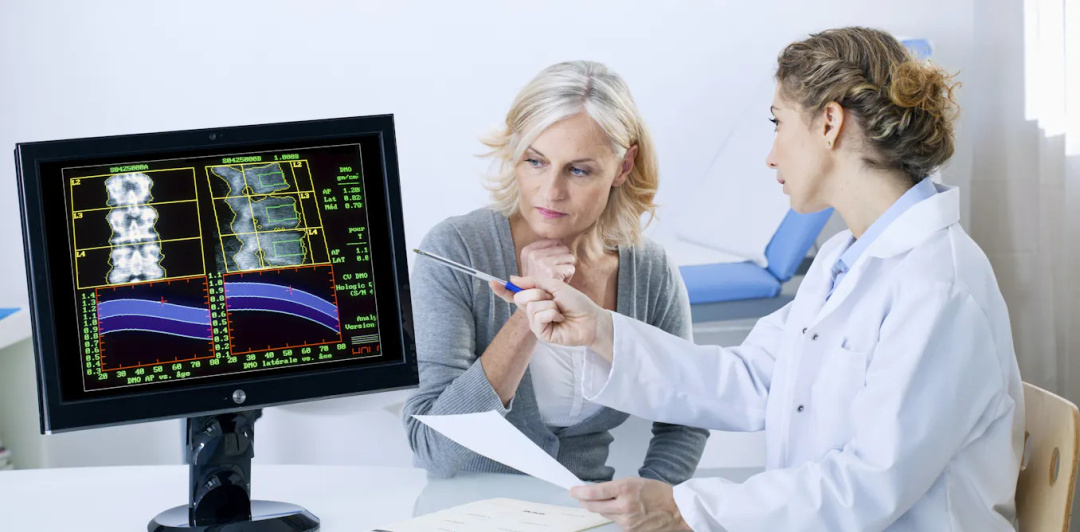
These findings highlight the need to focus on the menopausal transition itself, rather than viewing bone loss as a concern only for older women. Clinicians assess fracture risk by considering factors such as low body weight, smoking, excessive alcohol consumption, and family history of hip fractures. A bone density scan can measure bone mineral density, providing useful information alongside medical history and other risk factors. The U.S. Preventive Services Task Force recommends osteoporosis screening for women aged 65 and older, as well as for younger postmenopausal women with additional risk factors. However, not every woman requires a scan immediately upon changes in her menstrual cycle.
A U.K. trial demonstrated that identifying high-risk individuals and recommending treatment can significantly reduce hip fractures. Over five years, women aged 70 to 85 who received screening and treatment recommendations were less likely to suffer hip fractures compared to those receiving usual care. However, the study did not find a statistically significant reduction in fractures across other body parts, indicating that while screening linked to treatment is beneficial for older women, it remains unclear when screening should begin during menopause.
Bones respond to the forces placed upon them, meaning that weight-bearing activities such as walking and stair climbing are beneficial for bone health. Resistance exercises that use weights, bands, or body weight create additional forces on bones as muscles pull against them. Balance training, including tai chi and exercises that involve shifting weight, can improve stability and help prevent falls. Therefore, maintaining bone health involves incorporating various types of physical activity.
An Australian trial published in 2018 explored whether supervised heavy resistance exercises and impact movements could enhance bone density and physical function in postmenopausal women with low bone mass. After eight months, participants in the more intensive program showed better results than those in a less rigorous home exercise program. However, while improved bone density is encouraging, it does not guarantee fewer fractures, as the trial did not determine whether the program reduced fracture rates. Individuals with osteoporosis, prior fractures, or physical limitations should seek guidance on appropriate exercises and loads, as building muscle strength and balance is essential for both mobility and bone health.
Where Calcium Meets Therapy
Nutrition plays a vital role in bone health as well. Calcium is essential for bone strength, while vitamin D aids in calcium absorption. A balanced diet that includes adequate protein is also important. Foods rich in calcium include dairy products, fortified alternatives, canned sardines or salmon with edible bones, and vegetables such as bok choy and broccoli. Calcium or vitamin D supplements may be necessary for those with insufficient intake or deficiencies, but they should not replace osteoporosis medications when needed. Nutrition and medical treatments work best in tandem.
Systemic menopausal hormone therapy, which delivers hormones throughout the body, can alleviate troublesome symptoms like hot flashes and night sweats while also helping to prevent bone loss and fractures. The benefits and risks of this therapy depend on a woman’s age, time since menopause, medical history, and the specific treatment used. For women under 60 or within ten years of menopause onset, the balance of benefits and risks from hormone therapy is generally favorable for managing symptoms and preventing bone loss. However, hormone therapy is not suitable for everyone, and discussions between patients and clinicians about symptoms, bone health, and individual risks are crucial.
Other osteoporosis medications can either slow bone breakdown or stimulate bone formation. Clinicians must also consider other medical conditions and medications that can weaken bones, such as hormonal disorders, digestive issues, and long-term glucocorticoid treatment. Menopause may be just one factor contributing to bone health issues.
For instance, primary hyperparathyroidism, a condition where one or more parathyroid glands produce excess parathyroid hormone, can elevate blood calcium levels and weaken bones. Identifying such conditions can significantly alter treatment plans, underscoring the importance of understanding the underlying causes of bone loss rather than attributing it solely to aging.
Ensuring Access to Osteoporosis Care and Proactive Health Discussions
Access to care is another critical factor in prevention. A 2025 audit of 22 Asia-Pacific countries revealed significant disparities in access to osteoporosis care, with wait times for bone density scans varying widely. Such disparities can affect the affordability and availability of treatment options. Therefore, fostering public awareness and ensuring that health systems provide accessible and affordable care for scans, follow-up, and treatment is essential.
Menopause presents an opportunity to engage in discussions about bone health while individuals still feel well. This conversation may involve risk assessments, appropriate physical activity, nutritional adjustments, or medical treatments. Addressing bone health proactively can help prevent fractures before they occur, ensuring better overall health during and after menopause.